2026.05.08(금) 15:34
 교육타임즈 지면신문









|
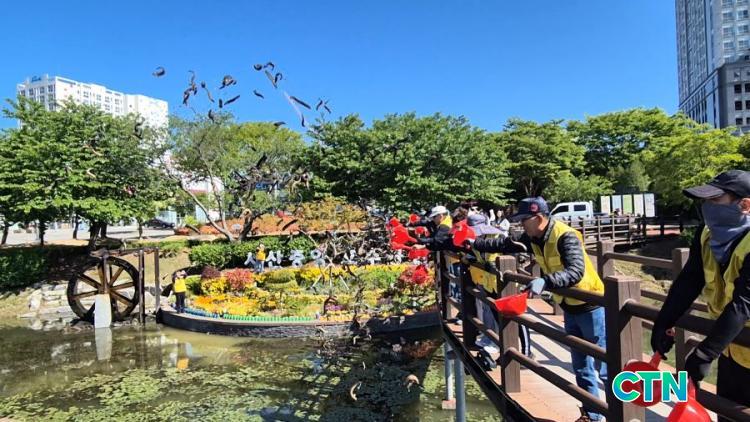
시는 8일 중앙호수공원(석남천)과 석림천, 성연천, 온석저수지 일원에 미꾸라지 치어를 방류했다고 밝혔다.
이번 방류는 여름철을 앞두고 모기 개체 수를 줄여 시민 불편과 위생 해충 피해를 최소화하기 위한 조치다.
미꾸라지는 물속에서 서식하며 모기유충을 하루 최대 1,000마리까지 섭취하는 것으로 알려져 있어 친환경 방제 수단으로 주목받고 있다.
특히 시민들의 산책과 여가 활동이 많은 도심 하천과 공원 주변에 집중 방류돼 효과적인 방역이 기대된다.
시는 매년 6개 방역기동반을 운영하며 계절별 맞춤 방역 활동을 추진하고 있다.
지난 4월 21일에는 중앙호수공원과 석남천, 성연천 일원에서 집중 방역 활동을 실시했으며, 5월까지는 유충구제 중심, 6월부터는 성충 구제 중심의 방역을 이어갈 계획이다.
또한 정화조와 웅덩이 등 모기유충 서식 우려 지역에 시민들이 직접 사용할 수 있도록 보건소와 보건지소에서 모기 유충 구제제를 무료 배부하고 있다.
시는 가정과 사업장 주변 폐타이어, 방치 용기 등에 고인 물을 제거하고 잡초와 잡목을 정비하는 생활 속 실천이 모기 서식 환경 차단에 도움이 된다고 강조했다.
아울러 지난 4월부터는 봄철 진드기 매개 감염병 예방을 위해 관내 36대의 해충기피제 자동분사기도 운영 중이다.
김용란 서산시보건소장은 "미꾸라지 방류와 방역기동반 운영 등 다양한 방역 시책을 통해 봄·여름철 위생 해충 피해를 최소화하겠다"며 "시민들도 고인 물 제거 등 예방수칙 실천에 적극 동참해 달라"고 말했다.
In Seosan, 30,000 loach fry released to strengthen eco-friendly mosquito larva control
Loach fry released into Jungang Lake Park and Seongyeon Stream
Each loach can consume up to 1,000 mosquito larvae per day
All-out summer mosquito prevention efforts through quarantine task forces and loach release
[Seosan/CTN] Reporter Geum-hyun Gageum — The city of Seosan has launched an eco-friendly mosquito larva control initiative by releasing 30,000 loach fry into streams and reservoirs frequently used by citizens.
The city announced on May 8 that the loach fry were released into areas including Jungang Lake Park (Seongnam Stream), Seokrim Stream, Seongyeon Stream, and Onseok Reservoir.
The release was carried out ahead of the summer season to reduce mosquito populations and minimize inconvenience and damage caused by sanitary pests.
Loaches, which inhabit freshwater environments, are known to consume up to 1,000 mosquito larvae per day, making them an effective eco-friendly pest control method.
In particular, the fish were released mainly around urban streams and parks where citizens frequently walk and enjoy leisure activities, raising expectations for effective mosquito control.
The city operates six quarantine response teams every year and carries out season-specific pest control measures.
On April 21, intensive pest control activities were conducted around Jungang Lake Park, Seongnam Stream, and Seongyeon Stream. Through May, the focus will remain on larva control, while from June onward, efforts will shift toward controlling adult mosquitoes.
In addition, mosquito larvicide is being distributed free of charge at public health centers and branch health offices so that residents can directly treat potential mosquito breeding areas such as septic tanks and puddles.
The city emphasized that everyday practices such as removing standing water from discarded tires and unattended containers, as well as clearing weeds and overgrown bushes around homes and businesses, can help block mosquito breeding environments.
Furthermore, since April, 36 automatic insect repellent dispensers have been operating across the city to help prevent tick-borne infectious diseases during the spring season.
Kim Yong-ran, head of the Seosan Public Health Center, stated, “Through various pest control measures such as releasing loaches and operating quarantine response teams, we will minimize sanitary pest damage during the spring and summer seasons,” adding, “We ask citizens to actively participate in preventive practices such as removing standing water.”
 |
가금현 기자 ggh7000@hanmail.net
가금현 기자 입니다.
긍정적인 사고로 의리를 지키며 살고싶다.
술은 웃음소리가 밖에까지 들리도록 마셔라!
내가 그자리에 있다고
CTN·교육타임즈·충청탑뉴스·CTN방송 발행인
|