2026.06.11(목) 09:23
 교육타임즈 지면신문









|
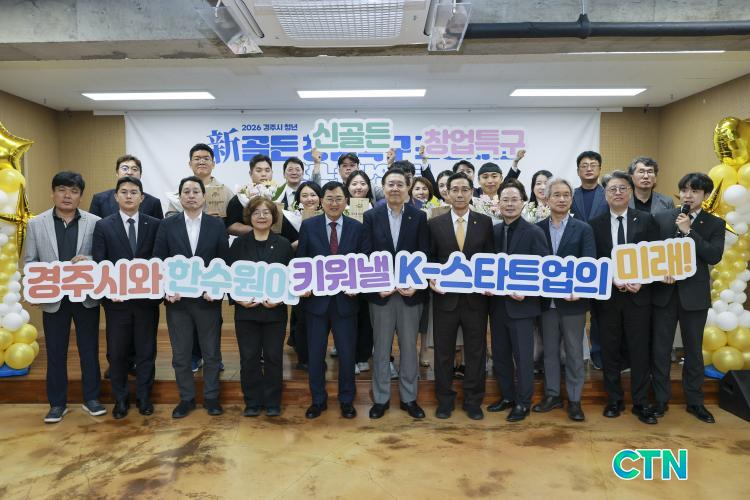
이번에 정식으로 문을 연 청년 창업팀은 지난해 8월 엄격한 공개모집과 전문가 심사를 거쳐 최종 선발된 8곳이다. 공간의 매력을 극대화한 독립서점 '말모이글모이', 지역 청년들의 사랑방 역할을 맡은 문화복합공간 '느그시', 전통주 바 '포션', 제스모나이트 친환경 공방 '신라온스튜디오'를 비롯해 뷰티케어숍 '메이코', 타코 전문점 '멕시코코', 곰탕 전문점 '상상곰탕', 전통 찻집 '남산서가' 등이 포함됐다. 이들 팀은 지난 1년간 창업 아카데미와 업종별 맞춤형 1대1 컨설팅 등 역량 강화 과정을 이수했으며, 경주시로부터 점포 리모델링과 필수 기자재 구입비 명목으로 각각 3,500만 원의 초기 창업 자금을 지원받아 본격적인 현장 영업에 돌입했다.
대기업과 공기업의 이탈, 인구 감소로 공동화 현상을 겪던 경주 중심상가 일대에 청년들의 독창적인 로컬 콘텐츠 매장을 배치하는 이번 사업은 지자체와 대형 공기업이 재원과 인프라를 분담해 지역 소멸 위기에 대응하는 모범적인 상생 구조로 평가받는다. 전통적인 먹거리 업종에만 치우치지 않고 독립서점이나 친환경 공방처럼 최신 트렌드를 반영한 문화 소비 공간을 다각적으로 배치해, 인근 황리단길에만 집중되던 외지 관광객 동선을 원도심 안쪽까지 깊숙이 유도하겠다는 시의 전략적 포석이 깔려 있다.
그러나 이러한 청년 창업 지원 사업이 일시적인 점포 개소 실적에 취해 장기적인 생존율 관리라는 본질적인 과제를 소홀히 해서는 안 된다는 지적이 나온다. 통상 지자체의 청년 창업 지원금은 초기 1년의 안착 유예기간이 지나고 시의 보조금 지급이 중단되는 시점부터 임대료 부담과 매출 부진 등 현실적인 절벽에 부딪히기 때문이다. 실제로 전국 지자체들이 추진한 청년 창업 특구 중 상당수가 개점 2~3년 차를 기점으로 폐업률이 급증하며 초기 투자 예산이 공중분해 되는 고질적인 악순환을 겪고 있다. 누적 33개 팀으로 규모가 커진 만큼, 이제는 단순 매장 확장이 아닌 개별 점포의 지속 가능성을 담보할 질적 사후 관리가 시급한 시점이다.
따라서 초기 자금 지원이 종료된 이후에도 청년 가동 매장들이 자생력을 갖출 수 있도록 경주시 차원의 정밀한 성과 측정 및 연계 마케팅 인프라가 뒷받침되어야 한다는 것이 현장 전문가들의 의견이다. 경주시는 8개 창업팀의 유동 인구와 매출 추이를 실시간으로 모니터링하는 '로컬 창업 사후 데이터 시스템'을 구축하고, 황리단길 중심의 기존 관광 패스와 연계한 '원도심 청년 골목 투어' 등 실질적인 모객 인센티브를 제도화해야 한다. 아울러 한수원과의 협력 범위를 초기 자금 기부를 넘어 대기업 유통망 연계나 팝업스토어 지원으로 다각화해, 청년들의 아이디어가 1년짜리 소모성 행사에 그치지 않고 경주 경제를 지탱하는 지속 가능한 강소기업으로 뿌리내리도록 유도해야 할 것이다.
[영문번역 기사-AI활용]
Joo Nak-young, Mayor of Gyeongju City, stated, "The New Golden Youth Startup Zone Project, which marks its fifth anniversary this year, is a representative public-private cooperation model built together by Gyeongju City and Korea Hydro & Nuclear Power (KHNP) for regional co-prosperity. We will spare no support to ensure that young people can stably start businesses and grow, and we will develop this into a nationwide successful case of youth entrepreneurship." To inject creative ideas into the sluggish old downtown area and secure a new breakthrough for the local economy, Gyeongju City held an opening ceremony and a nameplate delivery ceremony for the 'New Golden Youth Startup Zone Project' teams at the youth center 'Cheongnyeon Godo' on June 10, cheering for the full-scale launch of eight newly selected teams this year. This project, marking its fifth year, is a core youth employment policy implemented by Gyeongju City in cooperation with KHNP, a representative regional public corporation. Including the teams opened this time, a total of 33 teams have formed a local startup ecosystem across the old downtown area of Gyeongju.
The eight youth startup teams that formally opened their doors this time were finalized through rigorous public recruitment and expert screening last August. The line-up includes 'Malmoi Geulmoi,' an independent bookstore that maximizes spatial charm; 'Neugeusi,' a multi-cultural complex serving as a salon for local youth; 'Potion,' a traditional liquor bar; and 'Silla On Studio,' an eco-friendly jesmonite workshop, alongside 'Meiko,' a beauty care shop; 'Mexicoco,' a taco restaurant; 'Sangsang Goptang,' a beef bone soup restaurant; and 'Namsan Seoga,' a traditional teahouse. These teams completed a year of preparatory courses, including a startup academy and industry-specific one-on-one consulting, and entered actual field operations with 35 million won each from Gyeongju City for store remodeling and essential equipment purchases.
The project, which places unique local content stores run by youth into the central shopping districts of Gyeongju that have suffered from hollowed-out urban centers due to the departure of large corporations, is evaluated as an exemplary win-win cooperation structure where local governments and major public corporations share funds and infrastructure to respond to local extinction risks. Instead of leaning solely towards traditional restaurant industries, various cultural consumption spaces reflecting the latest trends, such as independent bookstores and eco-friendly workshops, have been strategically placed. This layout reflects the city's intent to guide the flow of foreign tourists, who used to concentrate only around the nearby Hwangridan-gil, deep into the inner old downtown.
However, critics point out that such youth startup support projects must not neglect the qualitative management of long-term survival rates while remaining content with temporary store opening records. Typically, when the initial one-year settlement grace period ends and the city's subsidy payments stop, youth-run stores face realistic hurdles such as rent burdens and sluggish sales. In fact, many youth startup zones driven by other local governments face a chronic vicious cycle where the closure rate surges around the second or third year of opening, causing the initial investment budget to evaporate. As the project has grown to a cumulative 33 teams, it is now an urgent time for qualitative post-management to guarantee the sustainability of individual stores, rather than simple expansion.
Therefore, field experts share the consensus that Gyeongju City's precise performance measurement and linked marketing infrastructure must back up these businesses so that youth-operated stores can maintain self-sufficiency even after initial funding ceases. Gyeongju City needs to establish a 'Local Startup Post-Data System' that monitors the floating population and sales trends of the eight startup teams in real-time, and institutionalize substantial customer attraction incentives such as a 'Old Downtown Youth Alley Tour' linked with existing tourism passes centered on Hwangridan-gil. Furthermore, the scope of cooperation with KHNP must be diversified beyond initial funding donations to link with large distribution networks or pop-up store support, ensuring that youth ideas do not end up as one-time consumable events but take root as sustainable small but strong enterprises sustaining Gyeongju's economy.
 |
이수현 기자 leegikook@hanmail.net
|