2026.05.30(토) 19:53
 교육타임즈 지면신문









|
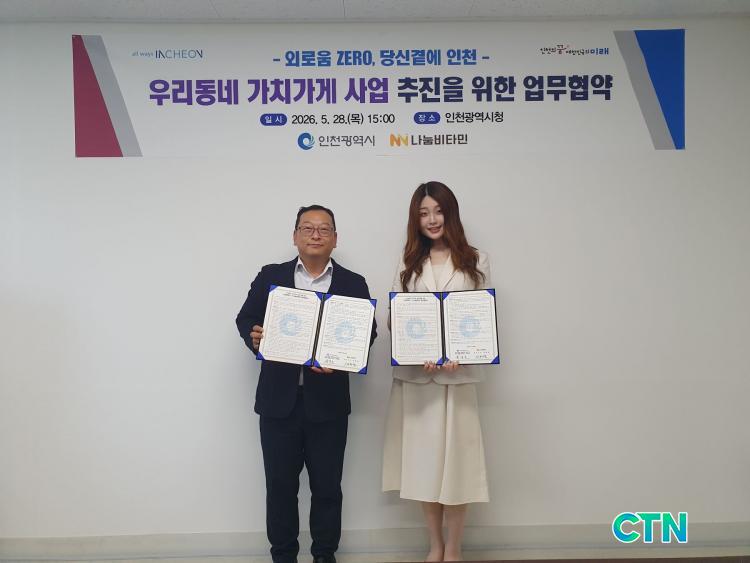
정부가 내놓은 사업 내용을 보면 은둔 청·장년들이 가상회사 프로그램에서 일상회복 훈련을 수행하면 포인트를 지급하고, 이를 지역 내 지정된 '가치가게(식당, 카페 등)'에서 모바일 앱을 통해 사용하도록 유도하고 있다. 시는 참여자들이 친숙한 동네 가게를 이용하며 이웃과 자연스럽게 교류하고 공동체의 일원으로 연결될 것이라 자평했다. 하지만 심각한 사회공포증과 대인기피를 겪는 고립·은둔 대상자들에게 외출을 강제하는 '할인 쿠폰'은 도리어 또 다른 정신적 압박으로 작용할 뿐이다. 전문적인 심리 치료나 일대일 밀착형 상담 같은 근본적인 치유 인프라 구축은 뒤로한 채, '앱 전용 시스템 제공'과 '가맹 관리' 등 껍데기뿐인 플랫폼 구축에만 행정력을 낭비하고 있다는 지적이 나오는 이유다.
더욱이 이번 사업은 참여하는 '가치가게'들의 자발적인 나눔과 상생 활동, 즉 민간의 선의와 희생에 사업의 명운을 전적으로 구걸하고 있다. 시는 사업 운영 전반을 총괄하고 가치가게를 발굴하겠다고 밝혔지만, 장기 장출혈에 시달리는 골목상권 자영업자들에게 실질적인 재정 보전이나 확실한 인센티브를 제공하는 예산 책정 조치는 쏙 빠져 있다. 결국 관내 고립·은둔 인구에 대한 정확한 전수조사나 통계적 기반도 없이, 민간의 호의를 '상생 문화 확산'이라는 그럴싸한 프레임으로 포장해 행정 성과로 가로채려는 얄팍한 속셈이 도사리고 있는 셈이다.
결과적으로 인천시의 이번 업무협약은 고립 문제의 본질을 외면한 채, 단기적인 외부 활동 수치와 앱 가입자 수 등 가시적인 '실적 쌓기'를 위한 보여주기식 이벤트에 불과하다. 이 사업이 단순한 일회성 쿠폰 배포 행사를 넘어 진정성 있는 복지 모델로 자리 잡기 위해서는, 상점 할인 같은 미봉책을 남발하기 전에 전문 의료기관과의 연계 체계를 공고히 하고 고립 대상자들이 사회로 연착륙할 수 있는 상설 전문 돌봄 인프라 확충에 예산을 우선 투입해야 할 것이다.
[영문번역 기사-AI활용]
Yuan Jun-ho, Director of the Loneliness and Care Bureau of Incheon City, said, "This project is a meaningful attempt for local shops to participate together and contribute to solving the isolation and seclusion problem. We will continue to actively respond to loneliness and social isolation issues in cooperation with the local community." This is the blueprint for the 'Our Neighborhood Value Shop Project', which Incheon City announced it would promote for the first time this year by holding an agreement with Nanum Vitamin Co., Ltd. to link a virtual company (I-Link Company) program with a mobile app platform. However, harsh criticism is rising that this is a typical bureaucratic illusion administration and a showy countermeasure that simply pushes secluded youth and middle-aged people out by giving them 'points' and 'restaurant discount coupons' without any precise diagnosis of the deep psychological trauma and reasons for social rejection they suffer from.
According to the project details put forward by the government, if secluded youth and adults perform daily recovery training in a virtual company program, they are paid points, and are induced to use them through a mobile app at designated 'Value Shops (restaurants, cafes, etc.)' in the region. The city self-evaluated that participants would naturally interact with neighbors and connect as members of the community by using familiar neighborhood shops. However, for isolated and secluded targets suffering from severe social phobia and interpersonal avoidance, a 'discount coupon' forcing them to go out only acts as another mental pressure. This is why critics point out that the city is wasting administrative power only on building empty platforms such as 'providing exclusive systems' and 'franchise management' while leaving the construction of fundamental healing infrastructure behind, such as professional psychological treatment or one-on-one close counseling.
Furthermore, this project relies entirely on the voluntary sharing and win-win activities of the participating 'Value Shops,' meaning it begs for the goodwill and sacrifice of the private sector. The city announced it would oversee the overall project operation and discover value shops, but concrete budget allocation measures to provide substantial financial preservation or clear incentives to alleyway commercial district self-employed businesses suffering from long-term deficits are completely missing. In the end, without any accurate census or statistical basis on the isolated and secluded population within its jurisdiction, it is a calculation to hijack the goodwill of the private sector as an administrative achievement by packaging it in a plausible frame of 'spreading a win-win culture.'
Consequently, Incheon City's current business agreement is nothing more than a showy event for visible 'performance building' such as short-term external activity numbers and the number of app subscribers, while ignoring the essence of the isolation problem. For this project to go beyond a mere one-off coupon distribution event and establish itself as a sincere welfare model, before abusing makeshift measures like shop discounts, the city must solidify connection systems with professional medical institutions and prioritize budget investment into expanding permanent professional care infrastructure so that isolated targets can softly land back into society.
 |
주대호 기자 wneo9016@naver.com
안녕하세요 :)
초보자들이 쉽게 접하는 물고기들의 사육 정보글을 올리는 주대호 기자 입니다.
|