2026.06.08(월) 18:38
 교육타임즈 지면신문









|
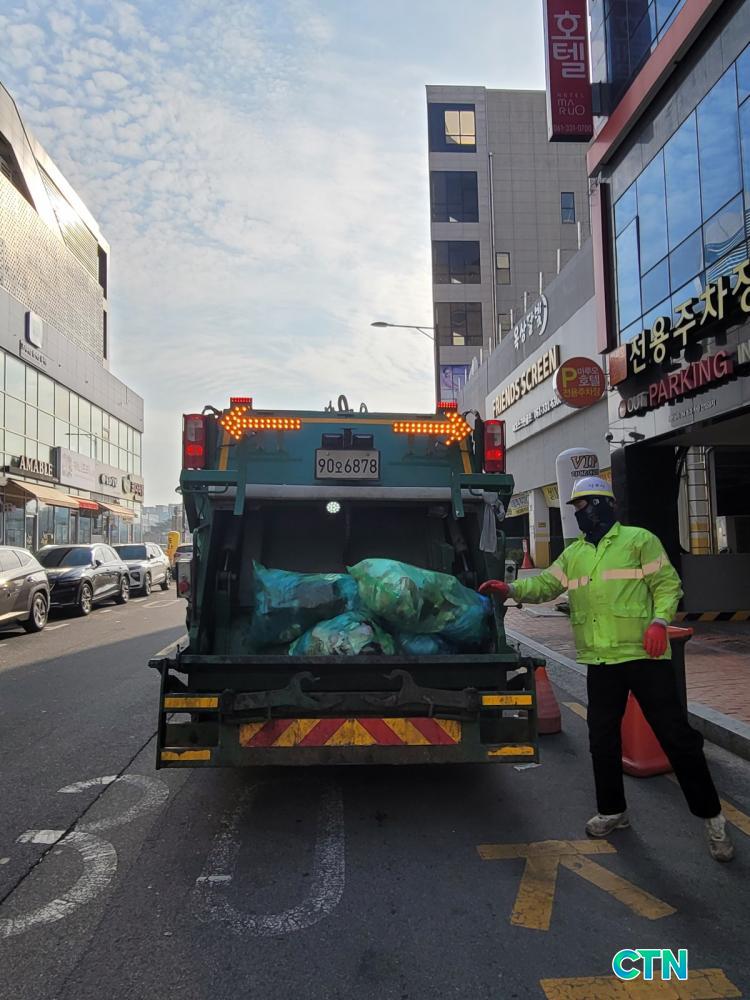
이번 안전 대책의 가장 큰 맹점은 시가 자랑하는 '후방 LED 안전표지판 설치와 시각적 명확성 확보'가 실제 매년 차량 뒤편 발판에 매달려 이동하다 추락하거나 환경청소차량 적재함 압착기에 끼여 생계 위기에 처하는 영세 작업자들의 현장 리스크를 원천 차단하기에는 턱없이 부족한 '보여주기식 면피 행정'에 머물러 있다는 점이다. 시야 확보가 어려운 출근 시간대 불빛 몇 개를 추가하는 아날로그식 임시방편이 과연 만성적인 인력 부족 속에서 미화원들의 신체 피로도와 고강도 노동 구조를 담보하는 실효성 있는 대책인지 의문이다. 진정으로 작업자와 시민 모두가 안심하는 안전망을 구축하고자 했다면, 단체장의 서류 중심 현장 순시 행차에 행정력을 소진할 것이 아니라 환경부 지침에 따른 주간 근무 전면 전환 조례를 상설화하고, 작업자가 안전하게 탑승할 수 있는 폐기물 수거 전용 특장차량 교체 예산을 다원화하는 물적 인프라 다지기가 선행되어야 했다. 이러한 근본적인 체질 개선은 생략한 채, 설치 차량 대수와 추돌 예방이라는 추상적 지표로 보고서의 부피만 늘리려는 행태는 실적 조급증에 걸린 지자체의 전형적인 탁상행정 껍데기일 뿐이다.
아울러 필수 공공서비스 수행 차량의 효율성을 대대적으로 홍보한 대목 역시 매년 행정안전부 지자체 합동평가 주기에 맞춰 반복되는 관료제 특유의 사후약방문식 관성 행정이다. 구조적인 청소 대행업체 직영 전환이나 미화원 처우 개선이라는 본질은 외면한 채 잘 정돈된 차량 행렬 사진을 기화로 보도자료의 치적 숫자만 늘리려는 행태는 예산 집행의 효율성 면에서 비판을 자초할 뿐이다.
노동자 안전과 공공재 재정비가 지방정부의 생존 화두가 된 시대에 당국의 공공안전 정책은 단순한 차량 후면 퍼포먼스나 생색내기용 부착 대수 자랑 위주의 보도자료 정치를 넘어서야 마땅하다. 매년 반복되는 전시성 부품 교체비와 일회성 홍보에 공공 재원을 소진하는 구조로는 골목길 수거 작업 중 발생하는 미화원들의 깊은 산재 불안감을 원천적으로 해소할 수 없다. 전남 나주시는 설치 건수를 치적으로 홍보하는 보여주기식 행정을 즉각 중단해야 한다. 그늘진 수거 현장에서 언제 덮칠지 모르는 졸음운전 차량과 위험한 압착 기계를 맨몸으로 견뎌내야 하는 취약 노동자들이 실질적인 복지 효능감을 누릴 수 있도록 AI 기반의 후방 사물 감지 자동 제어 시스템을 고도화하고, 민간 위탁 영역의 산재 보험료 보조금을 현실화하는 등 본연의 공공 안전망 다지기에 행정 역량을 결집해야 체감 행정의 진정성을 인정받을 수 있을 것이다.
[영문번역 기사-AI활용]
Yoon Byung-tae, mayor of Naju City, stated, "As cleaning vehicles perform essential public services directly related to citizens' lives, the safety of both workers and citizens must be considered the highest priority. We will continuously make efforts to create a safe working environment and build an efficient domestic waste collection system." This is a passage highlighting the local government leader's willpower and administrative achievements, attaching visual notification devices to medium, large, and small cleaning vehicles to block risk factors in the environmental sanitation field and emphasizing the department's preemptive industrial safety and health capabilities. The blueprints filling the press release, such as listing quantitative figures including the full installation on 37 vehicles and expected effects like improving traffic flow on roadsides, create an illusion as if Naju City is leading tremendous innovation in advanced disaster prevention countermeasures amidst the high risk of rear-end collisions. However, despite the fact that the substance of the administration stops at a short-term repair and reinforcement event attaching custom-made Light Emitting Diode (LED) parts to the rear timed with the quarterly regular vehicle maintenance cycle, the practice of trying to package a basic vehicle management project into a special labor environment improvement innovation achievement by hiding behind the grand rhetoric of "a safe working environment and an efficient collection system" is a specimen of typical performance-inflating exhibition administration.
The biggest blind spot of this safety countermeasure is that the 'installation of rear LED safety signs and securing visual clarity' boasted by the City stays as an 'exhibition-style administration for show' that is woefully insufficient to fundamentally block the field risks of small workers who suffer from falling while moving hung on the rear steps of vehicles every year or getting caught in the loading box compactors of sanitation vehicles. It raises questions about whether an analog temporary expedient—simply adding a few lights during commuting hours when securing visibility is difficult—is a practical countermeasure to guarantee the fatigue and high-intensity labor structure of sanitation workers amidst chronic staff shortages. If it truly desires to construct a safety net where both workers and citizens can be reassured, instead of expending administrative power on paperwork-centered field inspection tours of leaders, permanentizing ordinances for full transition to daytime shifts in accordance with Ministry of Environment guidelines, and pluralizing budget allocation for replacing vehicles with specialized waste collection trucks where workers can board safely must precede. Omitting such fundamental constitutional improvements, and only trying to inflate reports with abstract indicators like the number of installed vehicles and rear-end collision prevention is nothing more than a performance-oriented shell commonly used by local governments caught in performance anxiety.
In addition, grandly publicizing the efficiency of vehicles performing essential public services is also an after-the-disaster inertia administration peculiar to bureaucracy repeated every time in accordance with the local government joint evaluation cycle of the Ministry of the Interior and Safety. Leaving the essence of converting sanitation agencies into direct management or improving the treatment of sanitation workers unaddressed, desk administration that only attempts to inflate report numbers triggered by well-arranged vehicle lineup photos only invites criticism in terms of budget execution efficiency.
In an era where worker safety and public asset reorganization have become survival topics for local governments, the public safety policies of authorities must move beyond press release politics centered on simple vehicle rear performances or superficial attachment count bragging for show. Expending public funds every year on repeated exhibition-like component replacement costs and one-off publicity cannot fundamentally relieve the deep industrial accident anxieties of sanitation workers during alley collection tasks. Naju City must immediately stop exhibition administration promoting component attachment counts as achievements. Permanentizing AI-based rear object detection automatic braking systems so that underprivileged workers who must endure drowsy driving vehicles and dangerous compacting machinery with their bare bodies in the shaded fields can enjoy practical support welfare efficacy, and realizing industrial accident insurance subsidies for private consignment sectors, it should concentrate administrative capabilities on solidifying the inherent public safety net to receive recognition for the sincerity of policy.
 |
하성매 기자 jyh7583@naver.com
하성매 기자 입니다.
|