2026.06.16(화) 15:59
 교육타임즈 지면신문









|
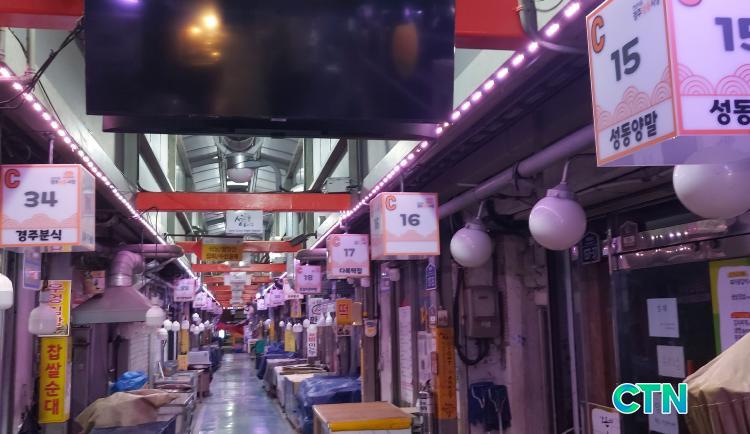
특히 성동시장과 중심상가, 금리단길 일대를 하나의 생활·관광 동선으로 잇는 안전 인프라를 확충함으로써 야간 보행 편의는 물론 상권 활성화에도 긍정적인 효과가 기대된다. 이번에 설치된 스마트폴 안심가로등은 야간 보행길을 밝히는 고효율 LED 조명을 비롯해 CCTV 4대, 공공 와이파이 3대, 전광판 2대를 함께 탑재한 복합형 가로등이다. 단순 조명 기능을 넘어 방범, 정보 제공, 통신 편의 기능을 함께 갖춘 도시 안전 인프라로, 범죄 예방과 보행 안전성 향상, 시민 편의 증진에 기여할 것으로 보인다. 해당 사업은 경주시가 2025년 7월 공모를 신청해 서울 마포구·관악구, 경기도 구리시와 함께 최종 사업 대상지로 선정되며 추진됐다. 특히 2022년부터 5년간 추진 중인 '중심상권르네상스' 사업과 연계해 금리단길 테마거리 조성, 브랜드 개발 등 기존 상권 활성화 사업과 시너지 효과를 낼 수 있는 전략사업으로 평가받았다. 경주시는 이번 스마트폴 안심가로등 구축을 계기로 성동시장과 중심상가 일원의 야간 환경 개선에 속도를 내고 있다. 성동시장 내 노후 간판을 큐브간판으로 정비하고, 성동시장 서문과 읍성을 잇는 골목길에도 경관조명 효과를 더한 간판정비를 추진해 전통시장과 중심상가를 더 밝고 안전한 공간으로 개선하고 있다. 시는 이번 정비사업을 계기로 전통시장과 중심상가의 경쟁력을 높이고, 시민과 관광객이 더욱 안전하고 편리하게 찾을 수 있는 야간 상권 조성에 지속적으로 힘쓸 계획이다.
지자체가 한수원 등 공기업 자본을 유치해 낙후된 구도심과 전통시장 일대의 보행축을 '스마트 안전망'으로 묶어낸 시도는 예산 절감과 치안 확보라는 두 마리 토끼를 잡은 효과적인 사법·행정적 성과로 해석된다. 단순히 어두운 골목을 밝히는 가로등 본연의 역할을 넘어 4차 산업혁명 기반의 통신·방범 인프라를 상권 르네상스 사업과 융합한 대목은 침체된 지역 경제를 반등시키고 체류형 야간 관광을 활성화하려는 경주시의 정무적 의지가 투영된 고도화된 정무 기획이다.
그러나 이처럼 첨단 정보통신기술(ICT)이 집약된 복합 스마트 가로등 정책이 초기 설치 위주의 전시 행정으로 전락하지 않기 위해서는, 기기 오작동 및 통신 장애에 실시간으로 대응하고 주변 소상공인 매출 추이를 분석하는 '기술적·행정적 사후 실무 관리(포스트 가이드라인)'가 철저하게 수반되어야 한다. CCTV와 공공 와이파이, 전광판이 복합적으로 작동하는 스마트폴의 특성상 사후 정비 시스템이 유기적으로 기능하지 못하면 기기 고장 시 방범과 정보 제공에 심각한 공백이 발생할 수 있기 때문이다. 경주시는 최종 준공 이후 시 통합관제센터와의 사후 연동 데이터망을 상시 점검하고, 유지보수 전담 인프라 확충에 예산을 우선 배정하는 사후 실무 보완을 신속히 단행해야 한다. 이러한 유기적인 사후 순환 행정이 뒷받침될 때 비로소 가로등 확충이라는 1차원적 하드웨어 정비가 구도심 안전 확보와 관광객 유치라는 실질적인 국익으로 연결될 수 있을 것이다.
[영문번역 기사-AI활용]
Gyeongju Mayor Joo Nak-young stated, "We will actively challenge various public offering projects such as the Safe Streetlight Plus Support Project and glocal commercial district vitalization. We will do our best to leap forward into a nighttime tourism city where citizens and tourists stay with peace of mind by linking major traditional markets, shopping districts, and tourist attractions." Gyeongju City announced on the 15th that it was selected for the 'Safe Streetlight Plus Support Project' hosted by Korea Hydro & Nuclear Power (KHNP) and implemented by the Miral Welfare Foundation, newly constructing 20 smart-pole safe streetlights in the Bukjeong-ro area connecting the southern part of Seongdong Market and the central commercial district. This project is highly meaningful in that it established a commercial district foundation where citizens and tourists can visit with peace of mind by improving the nighttime environment of major pedestrian axes linking traditional markets and central commercial districts.
In particular, expanding the safety infrastructure that connects Seongdong Market, the central commercial district, and the Geumridan-gil area into a single life and tourism copper line is expected to have positive effects on nighttime pedestrian convenience as well as commercial district vitalization. The smart-pole safe streetlights installed this time are complex streetlights equipped with high-efficiency LED lighting to brighten nighttime pedestrian paths, along with 4 CCTVs, 3 public Wi-Fi networks, and 2 electronic displays. Beyond simple lighting functions, it is expected to contribute to crime prevention, pedestrian safety improvement, and citizen convenience enhancement by being configured as a city safety infrastructure that combines crime prevention, information provision, and communication convenience functions. Gyeongju City applied for the public offering in July 2025 and was selected as the final project site along with Mapo-gu and Gwanak-gu in Seoul, and Guri-si in Gyeonggi-province. In particular, this project was evaluated as a strategic project capable of creating synergy effects with existing commercial district vitalization projects such as the creation of Geumridan-gil theme street and brand development, in connection with the 'Central Commercial District Renaissance' project which has been pushed for five years since 2022. Gyeongju City is speeding up the improvement of the nighttime environment in Seongdong Market and the central commercial district taking the construction of smart-pole safe streetlights as a momentum. The city is improving traditional markets and central commercial districts into brighter and safer spaces by organizing aged signboards into cube signboards within Seongdong Market, and driving signboard maintenance with landscape lighting effects in the alley connecting the west gate of Seongdong Market and the fortress. Taking this maintenance project as a momentum, the city plans to continuously strive to create nighttime commercial districts where citizens and tourists can visit more safely and conveniently by raising the competitiveness of traditional markets and central commercial districts.
The move where the local government attracted public enterprise capital like KHNP to bind deteriorated old downtowns and traditional market areas into a 'smart safety network' is interpreted as an effective judicial and administrative achievement that captured both budget reduction and public safety. Going beyond the intrinsic role of streetlights to brighten dark alleys, fusing 4th industrial revolution-based communication and crime prevention infrastructures with the commercial district renaissance project stands as a highly advanced political planning reflecting Gyeongju City's resolute political will to rebound the stagnant regional economy and vitalize staying nighttime tourism.
However, critics point out that for these complex smart streetlight policies where advanced information and communication technologies (ICT) are integrated to avoid degenerating into exhibition administrations centered on initial installations, 'technical and administrative post-practical managements (post-guidelines)' capable of responding to device malfunctions and communication failures in real-time and analyzing sales trends of surrounding small business owners must be thoroughly accompanied. This is because due to the nature of smart poles where CCTVs, public Wi-Fi networks, and electronic displays operate in a complex manner, serious blanks in crime prevention and information provision may occur if post-maintenance systems do not function organically. Gyeongju City must regularly check the post-linkage data network with the city's integrated control center after final completion, and swiftly implement practical post-supplementations that allocate budgets with priority to expanding maintenance specialized infrastructures. Only when this organic post-circulation administration is supported will 1-dimensional hardware maintenance of expanding streetlights be connected to substantial national interests of securing old downtown safety and attracting tourists.
 |
이수현 기자 leegikook@hanmail.net
|