2026.05.15(금) 10:47
 교육타임즈 지면신문








|

국가산학연협력위원회는 「산업교육진흥 및 산학연협력촉진에 관한 법률」에 따라 설치된 국무총리 산하 위원회로, 산업교육 및 산학연협력 정책과 기본계획을 심의·조정하는 역할을 맡고 있다.
이번 제4기 위원회에는 교수, 연구자, 기업인, 청년 등 산업교육 및 산학연협력 분야 전문성을 갖춘 민간위원 16명이 새롭게 위촉됐다. 임기는 2026년 4월부터 2028년 4월까지 2년이다.
이날 회의에서는 ‘2026년 산업교육 및 산학연협력 시행계획’이 심의됐으며, 인공지능(AI) 전환기에 대응하기 위한 대학 산학일체형 교육 활성화 방안도 논의됐다.
정부는 첨단산업 특성화 대학, AI·SW 인재양성, 산업현장 일학습병행 지원 등을 확대해 미래·지역특화 산업 분야 인재양성에 집중할 계획이다. 또한 지역 취업 연계 계약학과 확대와 기업 사내대학원 활성화를 위한 제도 개선도 추진한다.
기술사업화 분야에서는 거점국립대 특성화 융합연구원 육성과 대학기술경영촉진사업(TMC) 등을 통해 대학 보유 기술의 이전 및 사업화를 지원한다. 창업 분야에서는 학생 창업유망팀 300+ 경진대회와 대학 실험실 창업 지원 등을 지속 추진한다.
아울러 정부는 기존 라이즈(RISE) 체계를 ‘지역성장 인재양성체계(앵커)’로 재구조화해 지역 중심 산학연 협력 생태계를 확대 구축할 방침이다.
위원회에서는 AI 전환기 대응을 위해 대학과 기업이 공동으로 교육과정을 설계하고, 현장실습과 취업연계형 계약학과를 확대해야 한다는 의견도 제시됐다.
최교진 교육부 장관은 “교육·산업·지역을 연결하는 핵심은 산학연협력”이라며 “현장의 의견을 적극 반영해 실효성 있는 정책을 추진하겠다”고 밝혔다.
또한 남궁근 공동위원장은 “AI 전환기라는 거대한 변화 속에서 현장 중심의 실질적 정책 수립에 최선을 다하겠다”고 말했다.
[영문번역 기사-AI활용]
Ministry of Education to Promote Region-Based Talent Development, Technology Commercialization, and Startup Activation
2026 Industrial Education and Industry-Academia-Research Cooperation Plan Reviewed
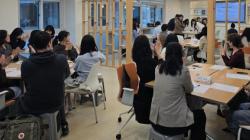
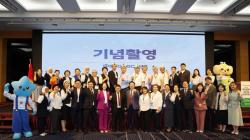
[Education/CTN] Reporter Geum-Hyun Ga = Ministry of Education announced on May 13 that it held the 13th National Industry-Academia-Research Cooperation Committee meeting alongside the launch of the 4th National Industry-Academia-Research Cooperation Committee at Koreana Hotel.
The National Industry-Academia-Research Cooperation Committee is a committee under the Prime Minister established pursuant to the “Industrial Education Enhancement and Industry-Academia-Research Cooperation Promotion Act.” It is responsible for reviewing and coordinating policies and master plans related to industrial education and industry-academia-research cooperation.
The 4th committee newly appointed 16 private-sector members, including professors, researchers, business leaders, and young professionals with expertise in industrial education and industry-academia-research cooperation. Their term will run from April 2026 to April 2028.
During the meeting, the committee reviewed the “2026 Industrial Education and Industry-Academia-Research Cooperation Implementation Plan” and discussed strategies to promote university-industry integrated education in response to the artificial intelligence (AI) transition era.
The government plans to expand support for advanced industry-specialized universities, AI and software (SW) talent development, and work-study programs linked to industrial sites in order to foster talent in future and region-specific industries. It also aims to expand employment-linked contract departments and improve systems supporting corporate graduate schools.
In the field of technology commercialization, the government will support technology transfer and commercialization of university-owned technologies through specialized convergence research institutes at national universities and the Technology Management Commercialization (TMC) program.
For entrepreneurship, the government will continue initiatives such as the Student Startup Promising Team 300+ Competition and university laboratory startup support programs.
In addition, the government plans to restructure the existing RISE system into the “Regional Growth Talent Development System (ANCHOR)” to expand region-centered industry-academia-research cooperation ecosystems.
Committee members also emphasized the need for universities and companies to jointly design AI-related curricula and expand internship and employment-linked contract department programs to better respond to the AI transformation era.
Choi Kyo-jin stated, “Industry-academia-research cooperation is the key link connecting education, industry, and regional development,” adding that “the government will actively reflect field opinions and promote practical policies.”
Meanwhile, Namgung Geun said, “We will do our utmost to establish practical, field-oriented policies amid the major changes brought by the AI transition era.”
#MinistryOfEducation #IndustryAcademiaResearchCooperation #AITransition #TalentDevelopment #RegionalBalancedDevelopment #UniversityInnovation #TechnologyCommercialization #YouthStartups #RISE #AdvancedIndustries #EducationPolicy #CTN #EducationNews #SouthKorea #AIEducation
 |
가금현 기자 ggh7000@hanmail.net
가금현 기자 입니다.
긍정적인 사고로 의리를 지키며 살고싶다.
술은 웃음소리가 밖에까지 들리도록 마셔라!
내가 그자리에 있다고
CTN·교육타임즈·충청탑뉴스·CTN방송 발행인
|