2026.05.22(금) 18:47
 교육타임즈 지면신문









|
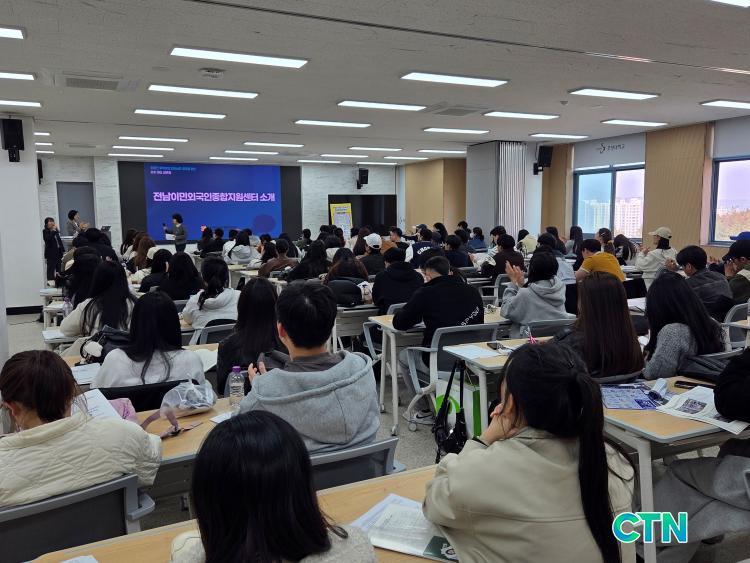
이번 특례는 도소매업 23.5%, 숙박·음식점업 13.1% 등 소상공인 비중이 전체 사업체의 96%(29만 3,013개소)를 차지하는 전남 지역의 영세 업장에 외국인 고용 기회를 넓히기 위해 마련됐다. 전남도는 현재 지역특화 숙련인력(E-7-4R) 829명, 지역특화 우수인재(F-2-R) 386명 규모로 사업을 운영 중이며, 이번 규제 완화를 바탕으로 대학 우수 유학생과 농공단지 입주업체를 연결하는 '유학생-농공단지 취업매칭 시범사업' 프로세스를 추가로 가동하겠다는 방침이다.
지자체 행정당국이 중앙정부의 비자 제도 변경에 발맞추어 하부 산업 생태계를 진단하고 공공 거버넌스의 사회적 유용성을 극대화하려는 시도는, 과거 관계 부처들이 대외 경제 지표 개선을 앞두고 가용한 행정 지원책을 일제히 언론에 노출하며 정책의 가시적 성과를 증명하려 했던 전형적인 실적 중심 행정의 기조와 맥을 같이한다. 전남도 역시 소관 부서 공무원들을 독려해 시군 현장에 매칭 창구를 열고 '선제적 인력난 해소'라는 세련된 브랜드를 구축해, 외국인 쿼터 소진과 취업박람회 프로세스를 연계하여 광역 단위 이민 거버넌스의 효율성을 확고히 다지겠다는 행정적 포석으로 포장하기에 안성맞춤이다.
그러나 이 같은 '비자 규제 완화에 따른 특례 시행'을 이민 행정의 핵심 성과로 상찬하는 행정 이면에는, 정작 이주 노동자들이 현장에서 당면한 '언어 소통의 한계'와 '수도권으로의 재이탈을 막을 정주 인프라 결여'는 외면한 채 '쿼터 100% 소진'이라는 요란한 숫자의 프레임으로 지자체의 치적을 포장하려는 안일한 관료 편의주의가 도사리고 있다. 일부 지자체들이 단기 취업 매칭 건수만 반짝 집계하고 마치 완벽한 지역 정착 체계가 구축된 양 생색을 냈던 것처럼, 전남도의 이번 대책 또한 '소상공인 고용 요건 면제'라는 제도적 절차만 강조할 뿐, 정작 외딴 농장이나 영세 식당에 배치된 외국인 인재들이 겪는 인권 사각지대 해소나 상시 갈등 조정 체계는 뒷전으로 밀린 채 행정 처리 실적만 가중시키는 단기 이벤트에 가깝다. 당장 인구 감소로 인한 영세 업장의 구인난 리스크는 상존해 있는데, 취업 매칭 몇 번과 비자 추천서 발급으로 모든 정착 문제가 해결될 수 있는 양 대대적으로 홍보하는 것은 인구 정책당국 본연의 임무를 흐리는 처사다.
전남도의 이민 행정은 보도자료 배포 뒤 마주할 실제 고용 현장에서의 무단이탈 문제나 고용주-피고용인 간의 문화적 갈등 등 현장 중심의 고충에 대해서는 철저히 함구하고 있다. 전남도는 '소상공인 특례'라는 홍보 외에 각 영세 업장에 배치된 외국인들의 실질적인 정주 만족도 데이터나 업종별 적응도를 실시간으로 검증하고 제어할 구체적인 사후 관리 가이드라인을 전혀 제시하지 못했다. 단순히 '386명 우수인재 추천'이라는 수치적 통계와 '안정적 정착'이라는 타이틀 실적에만 눈이 어두워 정작 당장 농공단지 현장에서 발생할 수 있는 중도 포기 리스크는 빠뜨린 것이다. 전남도는 보여주기식 매칭 실적 경쟁과 연례적 현장 방문 정치를 지양하고, 실제 고용주와 외국인 근로자가 현장의 애로사항과 주거·의료 인프라 부족 고충을 상시 공유하고 소통할 수 있는 내실 있는 상설 고용 안정 상담 체계 연동 등 도민들과 이주민들이 피부로 느낄 수 있는 뼈대 있는 행정 인프라 보완에 역량을 먼저 집중해야 할 것이다.
[영문번역 기사-AI활용]
Yoon Yeon-hwa, Director General of the Population, Youth, and Immigration Bureau of Jeollanam-do, declared, "With the creation of this special case for small business owners, we expect that the region-specific visa will provide practical help to local sites such as small shops, restaurants, and farms. We will expand the utilization of the system and strengthen employment linkage support so that excellent foreign talents can settle stably in Jeonnam," emphasizing that the province will preemptively block labor shortages in population-decline areas and establish a foreigner settlement infrastructure at the highest level. Jeollanam-do announced that it will fully implement an excellent foreign talent matching process without requirements for domestic employee hiring, following the Ministry of Justice's newly established 'Special Employment Case for Region-Vitalizing Small Business Owners' within the region-specific visa system.
This special case was prepared to expand foreign talent employment opportunities for petty businesses in the Jeonnam region, where small business owners account for 96% of total enterprises (293,013 shops), including wholesale and retail at 23.5% and accommodation and food services at 13.1%. Jeonnam Province currently operates the project with a scale of 829 region-specific skilled workers (E-7-4R) and 386 region-specific excellent talents (F-2-R). Based on this deregulation, the province intends to demonstrate an administrative posture by additionally operating a 'Foreign Student-Agricultural Industrial Complex Employment Matching Pilot Project' process that connects excellent international students from local universities with resident companies in agricultural industrial complexes.
The attempt by a local government administration to diagnose blind spots in the lower industrial ecosystem and maximize the social utility of public governance in line with the central government's visa policy changes aligns with the historical pattern of performance-centered administration, where government agencies exposed available administrative support measures all at once to the media right before improving external economic indicators to prove visible achievements. Jeonnam Province also encouraged public officials in charge to open matching counters at the city and county fields, built a refined brand called 'Preemptive Resolution of Labor Shortages,' and linked foreign quota consumption with job fair processes to solidify the efficiency of regional-level immigration governance.
However, behind the packaging of such an 'implementation of a special case following visa deregulation' as a core achievement of immigration administration lies a complacent bureaucratic convenience trying to wrap up performance with a trendy framework of a 100% quota consumption, while turning a blind eye to the 'limitation of language communication' and 'lack of settlement infrastructure to prevent re-departure to the metropolitan area' that migrant workers actually face on-site. Just as some local governments briefly compiled the number of short-term employment matches and made a show as if a perfect regional settlement system was established, the current project of Jeonnam Province is also closer to a short-term event that merely emphasizes an administrative procedure of 'exempting employment requirements for small business owners,' leaving the elimination of human rights blind spots or a permanent conflict resolution system for foreign talents deployed in remote farms or petty restaurants behind, while only aggravating administrative processing performance. At a time when recruitment shortage risks in petty businesses due to population decline are constant, broadcasting massive promotions as if all settlement problems can be solved by a few employment matches and issuing visa recommendation letters misses the mark of the Bureau's inherent duty.
The Jeonnam immigration administration keeps completely silent regarding field-centered hardships such as unauthorized departures from actual employment sites or cultural conflicts between employers and employees after the press release. Jeonnam Province also failed to present specific post-management guidelines to verify or control the actual settlement satisfaction data of foreigners deployed in each petty business or their adaptation by industry, except for the mere promotion of the 'special case for small business owners.' It was blinded only by the statistics of recommending 386 excellent talents and the title record of stable settlement, missing prevention measures for risks such as giving up midway at agricultural industrial complexes. Jeonnam Province must refrain from showing-off matching performance competitions and annual field visit politics, and concentrate its capabilities first on robust administrative infrastructure supplementation, such as linking a substantial permanent employment stabilization consultation system where actual employers and foreign workers can constantly share difficulties and lacks in housing and medical infrastructure so that residents and migrants can actually feel it.
 |
하성매 기자 jyh7583@naver.com
하성매 기자 입니다.
|