2026.05.28(목) 18:24
 교육타임즈 지면신문









|
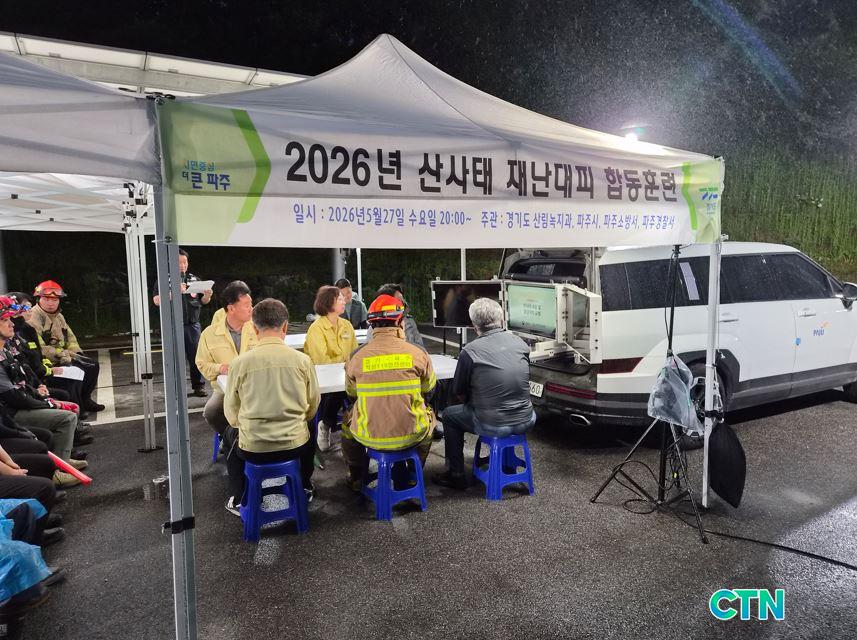
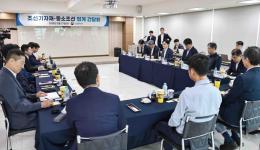
이번 훈련의 중심축인 산사태 대책 상황실의 전파 체계는 위기경보 단계별 대응 매뉴얼을 그대로 현장에 이식한 것이 특징이다. 산사태 위기경보 '경계' 발령 조건에 맞춰 파주시가 긴급재난문자를 발송하고, 경찰과 소방의 협조 아래 주민들을 지정 대피소로 이동시킨 뒤 최종 명부를 확인하는 구체적인 행동 요령이 포함됐다. 아울러 야간이라는 열악한 환경을 가정해 전 공무원과 경찰·소방 인력의 소통망을 점검하고, 재난 안전 교육을 병행해 도내 산사태 대응 거버넌스의 효율성을 다지겠다는 행정적 포석을 전면에 내세웠다.
그러나 지자체가 공공 인프라의 연계와 관계기관 합동 대응을 미디어에 대대적으로 노출하며 가시적인 '적극 행정'의 성과로 상찬하는 이면에는, 산사태 위험의 근본적인 원인 해결을 뒤로한 채 주민들의 '자발적 대피 의식'에만 의존하려는 관료 편의주의적 발상이 도사리고 있다는 지적이 나온다. 일부 지자체가 장마철 직전에 단기 훈련을 열고 마치 관내 취약지역의 방재 준비를 완벽히 끝낸 양 홍보하는 행태는 과거 치적 중심 행정의 전형적인 기조와 맥을 같이한다. 경기도 역시 보도자료를 통해 '야간 상황 가정'이라는 타이틀을 강조하며 대대적인 안전 브랜딩에 나섰으나, 이는 가용한 부처 인력과 관계기관 참여 수치 지표를 내세워 행정의 가시적 성과를 증명하려는 포석에 가깝다는 비판을 피하기 어렵다.
실제로 현장 주민들과 방재 전문가들이 당면한 본질적인 문제는 대피 매뉴얼의 부재가 아니라, 사유지라는 이유로 방치된 산사태 위험 사면의 정비 지연과 지자체의 예산 부족에 따른 영구 방재 시설물 확충의 한계다. 30여 명이 모여 진행한 이번 가상 훈련은 폭우와 단전, 통신 두절이 동시에 발생하는 실제 야간 재난 상황에서의 혼란을 통계적 수치로만 포장할 위험이 크며, 거동이 불편한 독거노인 등 교통 약자의 실질적인 이송 대책 마련은 빠져 있다는 한계를 지닌다. 당장 기후변화에 따른 극한 호우 리스크는 소외 지역 전반에 상존해 있음에도, 상황실에 모여 재난문자 발송 건수나 대피소 명부 확인 등 일차적인 지표 정산에만 몰두하는 것은 도민 안전 확보라는 당국 본연의 임무에 미치지 못하는 임시방편에 그쳤다는 비판이 지배적이다.
경기도의 이번 발표는 보도자료 배포 이후 마주할 실질적인 사각지대, 즉 야간 대피로의 가로등 미비나 한시적 훈련 종료 후 발생하는 실제 대피소의 구호 물품 비축량 부족 등 현장 중심의 부작용에 대해서는 철저히 함구하고 있다. 단순히 '실전 같은 대응 체계 강화'라는 프레임을 씌우는 홍보 외에, 농어촌 및 산간 오지 주민들이 집중호우 속에서 실질적인 구조 인프라를 보장받을 수 있도록 유도하는 사후 관리 가이드라인은 제시되지 않았다. 경기도와 파주시는 연례적인 홍보성 대피 행사를 지양하고, 실제 산림 공학 전문가들과 현장 주민들이 위험 요소를 상시 진단하고 사면 보강 예산 배정을 직접 조율할 수 있는 내실 있는 '현장 밀착형 상설 방재 협의체' 구축 등 도민들이 피부로 느낄 수 있는 인프라 보완에 역량을 집중해야 할 것이다.
[영문번역 기사-AI활용]
Kim Il-gon, Director of the Forestry and Green Space Division of Gyeonggi Province, said, "In preparation for landslides that can occur at any time, we conducted the drill assuming a real situation so that local residents can be evacuated quickly and safely in advance. We will further strengthen the landslide response system by cooperating closely with related organizations in the province." Gyeonggi Province and Paju City announced that they launched a site visit execution counter for the 'Joint Resident Night Evacuation Drill' at the landslide-vulnerable area in Mugeon-ri, Jeokseong-myeon, Paju-si, to respond to the risk of abrupt soil collapse during the monsoon season and embody the safety security keynote for residents during night hours, which are vulnerable times for disasters. Instead of the government directly expanding disaster prevention infrastructure or allocating a significant budget for renovating deteriorated retaining walls, it appears to be an approach of gathering personnel from related organizations and compiling visible evacuation procedures as a means of promotion.
The centerpiece of this drill, the propagation framework of the Landslide Countermeasures Situation Room, features a direct transplantation of the step-by-step crisis alert response manual into the actual field. In accordance with the conditions for issuing a 'Caution' landslide crisis alert, specific action guidelines were included, such as Paju City dispatching emergency disaster text messages, moving residents to designated shelters under the cooperation of police and fire departments, and finally verifying the evacuation roster. In addition, the plan laid forward an administrative posture to solidify the efficiency of the provincial landslide response governance by checking the communication network among all public officials, police, and fire personnel under the assumption of a hazardous night environment, while concurrently conducting disaster safety education.
However, behind the packaging of the local government's integration of public infrastructure and joint response among related organizations loudly exposed to the media as a core achievement of 'active administration' lies a complacent bureaucratic convenience attempting to pass the responsibility of landslide risks onto individual residents' voluntary safety awareness. The practice of some local governments holding short-term drills right before the monsoon season and promoting them as if they have perfectly completed disaster prevention preparations in vulnerable areas within their jurisdiction aligns with the historical pattern of performance-centered administration. Gyeonggi Province also engaged in a massive safety branding mobilization using the press release to highlight the title of 'assuming a night situation,' but it is difficult to avoid criticism that this is closer to an administrative move to prove the visible achievements of administration by putting forward available department personnel and statistics of participating organizations.
In reality, the intrinsic problem confronted by frontline residents and disaster prevention experts on-site is not the absence of an evacuation manual, but rather the delayed renovation of landslide-hazardous slopes neglected because they are private lands, and the limitations of expanding permanent disaster prevention facilities due to the local government's budget shortages. This virtual drill conducted by gathering around 30 people carries a high risk of packaging the chaos during an actual night disaster—where heavy rain, power outages, and communication blackouts occur simultaneously—merely as a statistical index. Furthermore, it faces limitations as practical transportation measures for the mobility-impaired, such as elderly individuals living alone, were omitted. At a time when extreme heavy rain risks due to climate change are constant across underprivileged regions, focusing solely on primary index calculations such as the number of disaster texts sent or shelter roster verifications by gathering at a situation room misses the mark of the competent authority's inherent duty, remaining a mere temporary fix.
The province's current announcement keeps completely silent regarding the practical blind spots that will occur after the press release—such as the lack of streetlights on night evacuation routes, or the shortage of relief supplies stockpiled at actual shelters occurring after temporary drills end. Except for the mere promotion of 'strengthening the response system like actual combat,' a specific post-management guideline to ensure that residents in agricultural, fishing, and isolated mountainous regions can be guaranteed practical rescue infrastructures amid heavy torrential rains was not presented. Gyeonggi Province and Paju City must refrain from showing-off evacuation events and listing annual promotional policies, and concentrate their capabilities first on substantializing a 'field-linked permanent disaster prevention consultation body' where actual forestry engineering experts and local residents can constantly inspect risk factors to directly adjust slope reinforcement budget allocations so that citizens can actually feel it.
 |
김지우 기자 ymjs790729@naver.com
김지우 기자 입니다.
|