2026.06.11(목) 11:27
 교육타임즈 지면신문









|
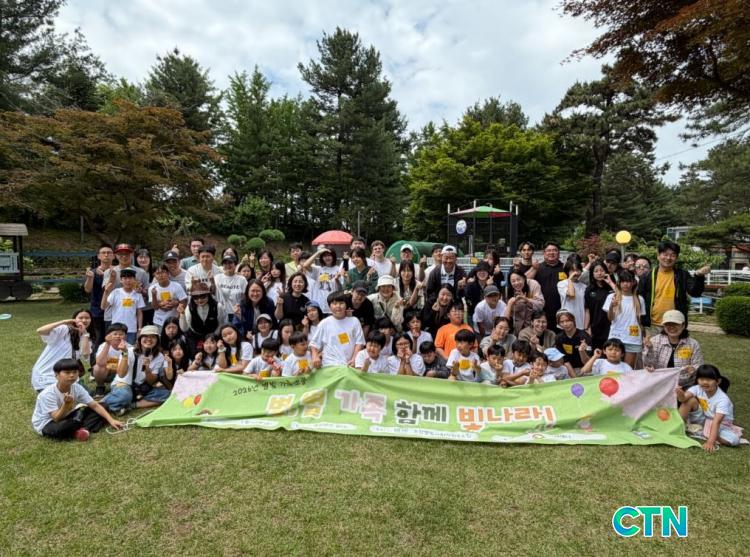
올해 사업은 지난 4월부터 총 3억 원 규모의 재원을 투입해 가동 중이며, 이는 전국 16개 센터에서 총 2억 원의 예산으로 80여 개 프로그램을 운영했던 지난해와 비교해 재정적 외연이 한층 확대된 규모다. 이번 사업에는 협의회 소속 전국 13개 농촌유학센터가 참여하며, 농촌으로 찾아온 유학생 140명과 해당 지역에 거주하는 학생 95명 등 총 235명의 청소년이 상생 교육의 혜택을 직접 받게 된다. 특히 올해 사업의 가장 큰 차별점은 단순한 정량적 성과 채우기식 운영에서 벗어나 프로그램의 '질적 내실화'를 꾀했다는 점이다. 과거 주말이나 방학 기간에 단발성으로 이루어지던 1회성 농촌 체험 방식을 지양하고, 각 유학센터가 위치한 고유한 지역 생태계와 역사 자원을 결합해 학생들의 정서적 안정과 실제 진로 탐색을 돕는 장기 지속형 커리큘럼을 전면 배치했다.
대표적인 특화 프로그램을 살펴보면 충남 논산 양지센터의 '전통 서예 및 검도 수련·풍물', 충북 제천 희망숲센터의 '앙상블 정기 강습', 전북 완주 운주센터의 '농촌유학 홈커밍 및 크리에이터 교육', 전남 강진 옴냇골센터의 '오감 만족 별자리 관측' 등 다채로운 영역으로 구체화됐다. 농식품부는 단순히 예산을 지원하는 데 그치지 않고, 현장 모니터링과 상시 컨설팅 체계를 도입해 교육의 질을 실시간으로 관리할 계획이다. 또한 사업이 종료되는 시점에는 전국 단위의 결과 공유회를 개최하여 우수한 로컬 교육 모델을 타 지자체로 확산하는 정밀한 환류 시스템을 가동할 방침이다.
정부 부처와 농업계 공익재단이 주도하여 인구 소멸 위기에 직면한 농촌 현장에 도시 지역 학생들을 유입시키고, 이를 지역 사회의 활력과 연계하려는 시도는 도농 균형 발전 측면에서 매우 시의적절한 정책적 결단으로 평가받는다. 특히 문화·예술·체육 중심의 인프라 공급을 통해 농촌 지역 학생들에게도 고품질의 교육 기회를 동등하게 제공한다는 점에서 사회적 가치가 크다.
그러나 이러한 농촌유학 지원책이 예산 투입 주기에 따라 흔들리는 단기성 사업에 머물지 않기 위해서는, 프로그램의 고도화를 넘어 유학생들이 농촌 환경에 안정적으로 정착하고 이들의 가족이 실제로 이주할 수 있도록 돕는 주거 및 일자리 연계형 종합 정주 여건 개선책이 수반되어야만 한다. 단순히 주말 체험을 장기 교육으로 늘리는 수준의 내부 정비만으로는 대도시의 체계적인 사교육 인프라에 익숙한 학부모들의 지속적인 선택을 유도하기 어려운 만큼, 교육청과의 긴밀한 행정 협의를 통해 농촌유학 경력을 정식 교과 이수로 인정하는 제도적 인센티브를 확립하고 지자체 유휴 주택을 리모델링해 유학 가족에게 저렴하게 제공하는 실질적인 생활 밀착형 배후 지원 체계를 다지는 것이 이 사업의 장기적 성패를 가를 핵심 열쇠다.
[영문번역 기사-AI활용]
Jeon Han-yeong, Director General of the Rural Policy Bureau at the Ministry of Agriculture, Food and Rural Affairs (MAFRA), stated, "The rural study-abroad program is a project that provides a valuable opportunity for urban and rural children to learn and grow together. We expect this project to breathe new vitality into rural areas and serve as an opportunity to expand the foundation for continuous exchange and win-win cooperation between urban and rural communities." MAFRA announced that it will officially push forward the '2026 Rural Study Abroad Center Program Support Project' in collaboration with the Nonghyup Foundation to revitalize rural areas stagnant due to low birth rates and aging populations, and to resolve the educational infrastructure gap between urban and rural sectors. The Nonghyup Foundation, leveraging its expertise in promoting the welfare of vulnerable farming households and managing scholarship businesses, has contributed to creating a rural study-abroad ecosystem by supporting the National Council of Rural-Urban Study Abroad since 2025.
This year's project has been running since April with an expanded budget of 300 million won, a significant financial scale-up compared to last year when a total of 200 million won was utilized across 16 centers nationwide to operate about 80 programs. A total of 13 rural study-abroad centers affiliated with the council are participating in this iteration, allowing 235 adolescents—consisting of 140 students who moved from urban areas and 95 local students—to directly benefit from this co-existent educational project. The most distinct feature of this year's initiative is its emphasis on qualitative enrichment rather than simply meeting quantitative performance metrics. It departs from the previous one-time rural experience formats conducted temporarily during weekends or vacations, deploying long-term, continuous curricula that utilize the unique local ecosystems and historical resources of each center to help students regain emotional stability and explore future career paths.
Representative specialized programs have been materialized into diverse fields, including 'Traditional Calligraphy, Kendo Training, and Pungmul' at the Yangji Center in Nonsan, Chungnam; 'Ensemble Regular Classes' at the Huimangsup Center in Jecheon, Chungbuk; 'Rural Study Abroad Homecoming and Creator Education' at the Unju Center in Wanju, Jeonbuk; and 'Five Senses Satisfaction Constellation Observation' at the Omnaetgol Center in Gangjin, Jeonnam. Rather than merely providing financial subsidies, MAFRA plans to introduce a field monitoring and constant consulting network to manage educational quality in real-time. Furthermore, at the conclusion of the project, a nationwide outcome-sharing conference will be hosted to operate a precise feedback system that disseminates excellent local educational models to other municipalities.
The initiative driven by the government ministry and an agricultural public foundation to influx urban students into rural areas facing population extinction risks, while linking them to local community vitality, is assessed as a highly timely policy decision for balanced urban-rural development. In particular, it holds significant social value by equally providing high-quality educational opportunities to local rural students through the supply of culture, art, and sports infrastructure.
However, for these rural study-abroad support measures not to remain short-term projects that fluctuate based on budget investment cycles, authorities must go beyond simply advancing programs and instead implement comprehensive settlement support measures linking housing and employment to ensure study-abroad students can stably settle in rural environments and their families can actually migrate. Simply extending weekend experiences into long-term education is insufficient to continuously attract parents accustomed to the systematic private education infrastructure of major cities. Therefore, establishing institutional incentives, such as officially recognizing rural study-abroad experience as regular school coursework through close administrative coordination with regional offices of education, and solidifying a practical, daily-life support system that remodels idle local housing to provide it to studying families at affordable rates, is the vital key that will determine the long-term success of this project.
 |
가요진 기자 gyj1119@naver.com
|