2026.06.11(목) 10:29
 교육타임즈 지면신문









|
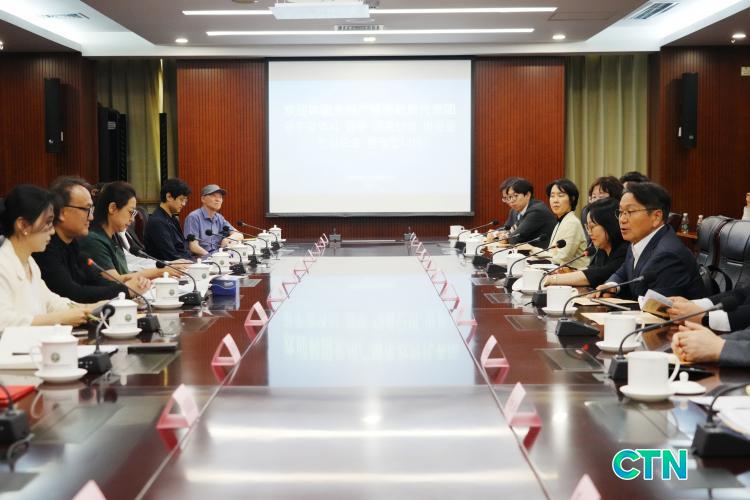
이번 면담에서 강 시장과 가오 부주석 등 양측 관계자들은 한중 양국이 지닌 역사적 인연을 되짚고, 현재 광주시와 중국 각 도시 간에 진행 중인 문화예술 교류 현황 및 향후 추진될 문화 정책에 대해 깊이 있는 의견을 교환했다. 특히 가오스밍 부주석은 이 자리에서 광주 출신의 항일 음악가이자 중국 현대 음악의 대부로 추앙받는 정율성 선생의 작품 선집과 그의 생애를 조명한 다큐멘터리 영상이 담긴 USB를 광주시에 기증하며 우호의 뜻을 전달했다. 시는 이번 방문을 계기로 코로나19 이후 다소 정체됐던 대중국 문화 외교의 연결고리를 다시 강화하겠다는 방침이다.
지방자치단체가 중앙정부 차원의 경직된 외교 틀에서 벗어나 문화와 예술이라는 소프트파워를 매개로 중국의 핵심 문화 권위 기관과 직접 소통 채널을 개설한 것은, 도시 외교의 다변화와 지역 문화 콘텐츠의 글로벌 확장 측면에서 긍정적인 행보로 평가받는다. 특히 중국 내에서 강력한 영향력을 행사하는 중국문련과의 네트워크 구축은 향후 광주비엔날레나 미디어아트 등 광주가 가진 시각 예술 자산들이 중국 시장으로 진출하는 데 있어 실질적인 교두보 역할을 할 수 있기 때문이다.
그러나 이번 면담 과정에서 등장한 '정율성 관련 기증품'은 국내 정치권과 시민사회 내부에서 지속되고 있는 정율성 역사성 논란과 맞물려, 대중국 외교의 정교한 수위 조절이라는 해묵은 숙제를 다시금 수면 위로 끌어올렸다는 분석이 나온다. 앞서 광주시가 추진했던 정율성 역사공원 조성 사업 등을 둘러싸고 이념적 갈등과 찬반 여론이 팽팽하게 대립했던 만큼, 중국 측이 건넨 정율성 관련 컨텐츠를 행정적으로 어떻게 소화하느냐에 따라 자칫 지역 내 불필요한 남남갈등의 불씨가 재점화될 우려가 존재하기 때문이다. 정부의 외교 기조와 엇박자를 내는 듯한 인상을 줄 경우 지자체 차원의 교류 동력 자체가 위축될 수 있다는 점도 행정적 부담이다.
따라서 광주시는 정율성이라는 특정 인물 중심의 단편적인 우호 교류에만 머무를 것이 아니라, 전문가들의 자문을 바탕으로 인류 보편적인 예술적 가치와 현대 문화산업 중심의 다각적인 교류 프레임워크를 정립해야 한다는 것이 전문가들의 시각이다. 중국문련과의 협의 채널을 청년 예술가 상호 레지던시 프로그램이나 AI 기반 미디어아트 공동 기술 개발 등 미래지향적인 실무 협력 체계로 빠르게 전환해야 한다. 아울러 중국 측 기증품에 대해서는 철저히 학술연구 및 기록물 자산으로 분류해 관리하는 등 세련된 정무적 판단과 균형 감각을 발휘해야만 외교적 실리와 내부적 통합을 동시에 달성할 수 있을 것이다.
[영문번역 기사-AI활용]
Gwangju Metropolitan City announced that a delegation led by Gwangju Mayor Kang Gi-jung visited Beijing, China, on the afternoon of June 9 (local time) to meet with Gao Shiming, Vice Chairman of the China Federation of Literary and Art Circles (CFLAC), a top-tier civil organization in the cultural and artistic fields, to discuss plans for building a Korea-China cultural and artistic solidarity and mutual exchange network. Established in 1949, CFLAC is the highest authoritative body overseeing 14 professional artists' associations and 32 local cultural and art circles in China, serving as a core institution that represents the Chinese government's cultural policy framework and leads international exchange activities.
During the meeting, Mayor Kang, Vice Chairman Gao, and other officials reviewed the historical ties between South Korea and China, and exchanged in-depth views on the current status of cultural and artistic exchanges and future cultural policies between Gwangju City and various Chinese cities. In particular, Vice Chairman Gao presented Gwangju City with a USB containing a selection of works and a documentary video of Jeong Yul-seong, an anti-Japanese musician from Gwangju who is revered as a father of modern Chinese music, as a token of friendship. Gwangju City plans to use this visit as an opportunity to strengthen its cultural diplomacy with China, which had been somewhat stagnant since the COVID-19 pandemic.
The local government's move to step away from the rigid diplomatic framework at the central government level and directly establish a communication channel with China's core cultural authority using the soft power of culture and art is evaluated as a positive step in terms of diversifying city diplomacy and expanding local cultural contents globally. This is because establishing a network with CFLAC, which wields strong influence in China, can serve as a substantial bridgehead for Gwangju's visual art assets, such as the Gwangju Biennale and media art, to advance into the Chinese market in the future.
However, analysts point out that the "Jeong Yul-seong related items" presented during this meeting have brought back a long-standing homework assignment regarding precise level-control in diplomacy with China, interacting with the ongoing historical controversy surrounding Jeong Yul-seong within domestic political circles and civil society. Given the sharp ideological conflicts and public debates surrounding Gwangju City's previous project to build the Jeong Yul-seong Historical Park, how the city administratively handles the content provided by the Chinese side could inadvertently reignite unnecessary internal conflict within the region. Another administrative burden is that if the move gives an impression of being out of sync with the central government's foreign policy framework, the momentum of local government-level exchanges could be restricted.
Therefore, experts view that Gwangju City should not remain confined to fragmentary, friendly exchanges centered on a specific historical figure like Jeong Yul-seong, but should establish a diversified exchange framework focused on universal artistic values and modern cultural industries based on expert consultation. The communication channel with CFLAC needs to be rapidly shifted into a future-oriented, practical cooperation framework, such as mutual residency programs for young artists or joint technical development in AI-based media art. Furthermore, exercising sophisticated political judgment and a sense of balance, such as strictly classifying and managing the gifts from the Chinese side as academic research and archival assets, will be essential to achieving both diplomatic utility and internal unity.
 |
최영준 기자 gildongmoo2@hanmail.net
굴곡 없는 참시선으로
|