2026.06.15(월) 13:39
 교육타임즈 지면신문









|
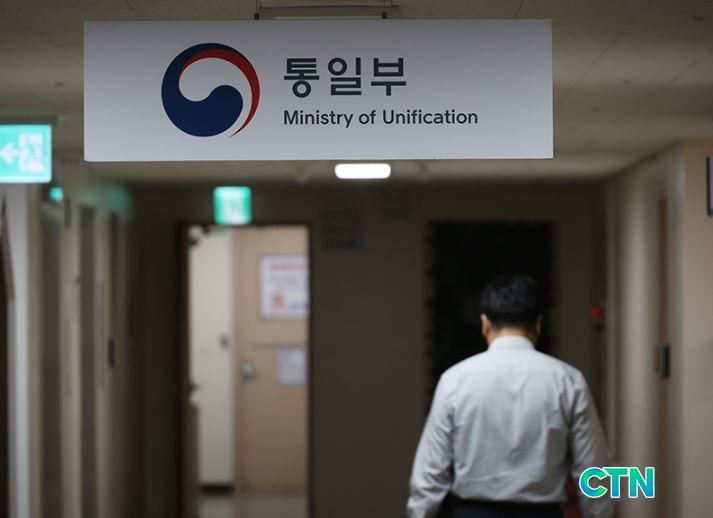
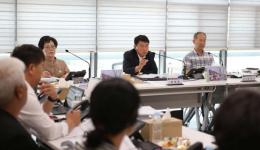
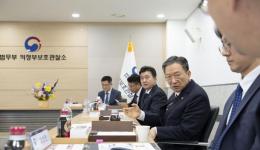
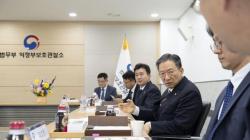
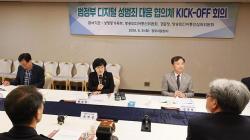
"접경의 목소리, 평화를 말하다"라는 주제로 기획된 이번 행사는 작년 11월 10일 경기도 접경지역 민간인통제선(민통선) 이북 3개 마을 주민들을 대상으로 열린 1차 토론회에 이은 두 번째 행보다. 이번에는 강원도 최전방 지대 주민들의 생생한 고충을 경청하는 '현장 밀착형 소통 행정'의 일환으로 추진됐다. 이날 토론회는 김남중 차관의 개회사를 시작으로, 정일영 서강대 사회과학연구소 책임연구원의 「접경지역 주민들을 위한 평화와 안전 : 국정과제 1년의 성과와 과제」 기조 발제가 이어졌다. 정 박사는 최전방 주민들의 정주 여건 개선과 생존권 보장을 위한 거버넌스 소통 방안을 제안했다.
이어 김진환 서울대 통일평화연구원 객원연구원의 사회로 진행된 본 토론에서는 유곡리, 정연리, 이길리 등 철원지역 민통선 이북 마을 주민 대표 3명과 통일부·국방부의 담당 과장들이 「접경지역 주민에게 평화란?」이라는 주제로 격의 없는 설전을 벌였다. 토론회 종료 후 김 차관은 이길리 주민들이 협동조합 형태로 직접 운영하는 식당을 찾아 민생 오찬을 함께 나눴다. 이후 정부 5개 부처(통일·국방·문체·환경·행안부)가 공동 조성한 'DMZ 평화의 길' 백마고지 테마노선을 도보 탐방하고, 고석정 광장에서 개막한 'DMZ 피스트레인 뮤직 페스티벌'의 안전 및 운영 현황을 점검했다.
정부의 대북 강 대 강 대치 기조 속에서 자칫 소외되기 쉬운 민통선 이북 주민들을 중앙부처 차관이 직접 찾아가 국방부 실무자들과 함께 소통 테이블을 마련한 것은 접경지역 리스크 관리 측면에서 매우 시의적절한 행정으로 평가된다. 특히 안보 논리에 밀려 일방적인 희생을 강요받던 최전방 주민들의 정주 불안감을 달래고, 주민 협동조합 식당 이용 및 지역 축제 현장 점검을 동시 진행해 위축된 철원 지역 경제에 정무적인 활력을 불어넣은 대목은 영리한 기획이다.
그러나 이러한 하루짜리 현장 방문과 원론적인 평화 토론회가 접경지역 주민들의 고질적인 불안을 해소하는 지속 가능한 대책이 되기 위해서는, 행사 종료 후 주민들의 건의 사항을 행정적으로 처리하는 '사후 컨트롤타워(사후 케어)'가 작동해야 한다는 지적이 나온다. 남북 관계 경색 시마다 반복되는 대북 전단 살포 분쟁, 군사 훈련 소음, 민통선 출입 통제 강화 등은 통일부 혼자서 해결할 수 없는 복합적 과제이기 때문이다. 행사장의 수사(Rhetoric)에 머무르지 않으려면 통일부는 이번 철원 토론회 이후 국방부·행안부·강원도와 연계한 '접경지역 주민 안전 상설 협의체'를 구축하는 실무 후속 행정을 전개해야 한다. 아울러 'DMZ 평화의 길' 투어 프로그램과 현지 주민 협동조합을 유기적으로 묶어주는 상설 관광 활성화 사후 조치가 뒷받침되어야만, 안보 리스크를 극복한 진정한 의미의 '지속 가능한 접경지역 평화 생태계'를 안착시킬 수 있을 것이다.
[영문번역 기사-AI활용]
Kim Nam-jung, Vice Minister of Unification, stated, "We will closely consult with relevant ministries and local governments to actively reflect the practical opinions raised by residents of border areas during this forum into our policies. We will continue to expand on-site communication with residents of the front-line border regions." The Ministry of Unification announced that it held a participant-centered peace forum with residents of border areas under the theme of "Voices of the Border, Speaking of Peace" at the Cheorwon DMZ Crane Peace Town in Gangwon Province at 10:30 AM on June 12 to establish safety measures and listen to the on-site difficulties of border residents hit directly by the inter-Korean confrontation.
The event, designed under the theme of listening to the voices of borders, is a follow-up to the first forum held on November 10 last year for residents of three villages north of the Civilian Control Line (CCL) in the border area of Gyeonggi Province. This time, it was driven as part of an 'on-site close communication administration' to closely listen to the vivid difficulties of residents in the front-line border area of Gangwon Province. The forum began with an opening speech by Vice Minister Kim Nam-jung, followed by a keynote presentation by Dr. Jeong Il-young, a senior researcher at the Sogang University Social Science Research Institute, titled "Peace and Safety for Residents in Border Areas: Achievements and Tasks of the First Year of National Tasks." Dr. Jeong suggested communication methods for improving settling conditions and guaranteeing the right to survival for front-line residents.
In the main discussion moderated by Dr. Kim Jin-hwan, a visiting researcher at the Seoul National University Institute for Peace and Unification Studies, three representatives from villages north of the civilian control line in the Cheorwon area—Yugok-ri, Jeongyeon-ri, and Igil-ri—along with directors from the Ministry of Unification and the Ministry of National Defense, held unreserved debates under the theme "What does peace mean to border residents?" Following the forum, Vice Minister Kim had a livelihood luncheon with residents at a restaurant operated as a cooperative by Igil-ri villagers. Afterward, he took a walking tour of the Baekmagoji theme route of the 'DMZ Peace Trail,' jointly created by five government agencies (Ministries of Unification, National Defense, Culture, Environment, and Interior), and inspected the safety and operation status of the 'DMZ Peace Train Music Festival' held at Goseokjeong Square.
At a time of high inter-Korean tensions, the move where the Vice Minister of Unification directly visited residents north of the civilian control line who are easily marginalized and set up a communication table with practical officials from the Ministry of National Defense is evaluated as a highly timely administrative step in terms of border area risk management. In particular, soothing the settlement anxiety of front-line residents who were forced to make one-sided sacrifices due to security logics, and simultaneously boosting the local economy by using the resident cooperative restaurant and inspecting local festival sites, highlights smart political planning.
However, critics point out that for this single-day on-site visit and theoretical peace forum to become a sustainable measure to resolve the chronic anxiety of border area residents, a 'post-control tower (post-care)' capable of administratively processing residents' suggestions after the event ends must function. This is because complex tasks like conflicts over anti-North Korea leaflet distributions, military training noise, and tightened civilian control line access controls repeated whenever inter-Korean relations chill cannot be resolved by the Ministry of Unification alone. To avoid stopping at the rhetoric of the event hall, the Ministry of Unification must deploy follow-up practical administrations to build a 'Border Area Resident Safety Permanent Consultative Body' linking with the Ministry of National Defense, Ministry of the Interior and Safety, and Gangwon Province after this Cheorwon forum. Furthermore, only when post-tourism vitalization measures organically binding the 'DMZ Peace Trail' tour programs with local resident cooperatives are supported will it be able to settle an authentic 'sustainable border area peace ecosystem' that overcomes security risks.
 |
가요진 기자 gyj1119@naver.com
|