2026.06.12(금) 10:32
 교육타임즈 지면신문









|
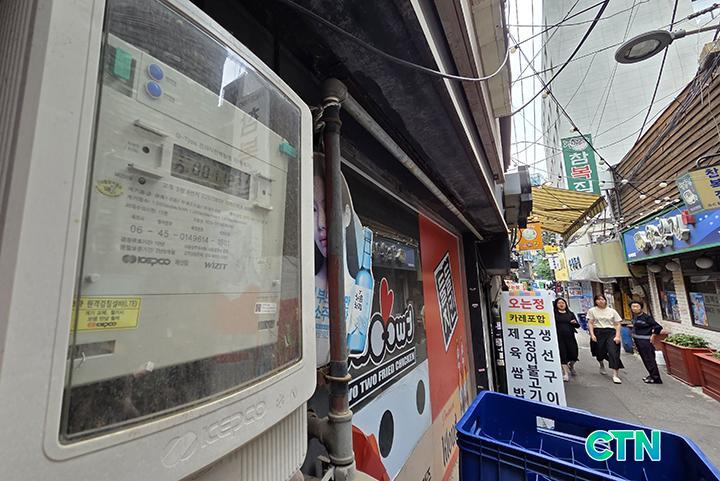
정부는 최근 지정학적 리스크 심화로 인해 지난 4월 2일 자원안보 위기 경보를 상향 발령하는 등 원자재 및 에너지 수급 여건의 불확실성에 대비해 왔다. 이에 따라 공급 중심의 정책을 넘어 소비 측면에서의 효율적 수요관리가 핵심 과제로 부각되면서 대표적인 국민 참여형 인센티브 제도인 주택용 에너지캐시백의 혜택 범위를 대폭 넓히기로 결정했다. 이번 제도 개편안은 올해 7월부터 12월 검침분까지 적용된다. 주택용 에너지캐시백은 참가 세대가 직전 2개년 동안의 동일 기간 평균 전기사용량 대비 일정 비율 이상을 절감할 경우, 절감량에 상응하는 금액을 이듬해 전기요금 청구 시 차감해 주는 방식으로 운영된다. 각 주택 및 아파트 단지의 검침 일자에 따라 빠르면 6월 전력 사용량부터 이번 확대 조치가 실질적으로 반영될 예정이다.
이번 개선안의 핵심은 지급 문턱을 낮추고 지원 단가를 높여 국민적 참여율을 극대화하는 데 있다. 기존에는 최소 3% 이상 전력 사용량을 줄여야만 1kWh당 30원~100원의 캐시백을 받을 수 있었으나, 개정 이후에는 기한 내 전기사용량을 1%만 감축해도 혜택 대상에 포함된다. 아울러 절감률 구간에 따라 1kWh당 20~30원의 추가 지원금이 가산되면서, 참여 세대는 1kWh당 최대 120원에 달하는 전기요금 차감 혜택을 누릴 수 있게 된다. 정부는 이번 단가 인상 조치를 통해 고물가 시대에 가계의 전기요금 부담을 실질적으로 경감하는 동시에 동하계 전력 피크 시기의 수요 분산 효과를 거둘 수 있을 것으로 기대하고 있다.
글로벌 자원 공급망의 불안정이 상시화된 현시점에서 인위적인 강제 배전 제한 대신 국민들의 자발적인 리워드(보상) 참여를 유도해 전력 예비율을 안정적으로 관리하겠다는 행정적 취지는 대단히 유효한 접근으로 평가된다. 전력 소비자가 직접 에너지 감축의 주체가 되도록 유인책을 강화하고, 이를 요금 차감이라는 직관적인 방식으로 연결하여 제도 참여의 실효성을 높인 점은 긍정적이다.
다만, 이번 정책이 단기적인 요금 보조금 지급 효과를 넘어 국가 전력 체계의 전반적인 체질 개선으로 이어지기 위해서는 가구별 라이프스타일을 고려한 정밀한 데이터 가이드라인이 병행되어야 한다는 지적이 적지 않다. 이미 에너지 소비를 최소화하고 있는 저소득층이나 1인 가구의 경우 추가로 1%를 절감하는 것이 대형 평수 가구에 비해 상대적으로 어려워, 인센티브 지급의 형평성 문제가 제기될 수 있기 때문이다. 따라서 기후에너지환경부는 단순히 절감률 수치에만 의존해 보상금을 차등 지급하는 평면적 구조에서 탈피해야 한다. 에너지 취약계층에게는 고효율 가전제품 교체 지원 사업을 연계하고, 실시간 전력 사용량을 모니터링할 수 있는 지능형 전력계량시스템(AMI) 보급을 가속화하는 등 인프라 확충 중심의 근본적인 사후 행정을 구축해야만 장기적인 에너지 안보를 확보할 수 있을 것이다.
[영문번역 기사-AI활용]
Park Deok-yeol, Director General for Hydrogen and Thermal Industry Policy at the Ministry of Climate, Energy and Environment, stated, "Energy conservation is the most economic and effective means of securing energy. Through this expansion of support for residential energy cashback, we expect more citizens to actively participate in energy saving and reduce their electricity bill burdens. We will continue to expand citizen-participatory energy conservation policies to strengthen energy security." The Ministry of Climate, Energy and Environment announced that it will significantly expand and reorganize the 'Residential Energy Cashback' system starting from the second half of this year to counter the resource security crisis and energy supply instability caused by the prolonged Middle East war, while strengthening electricity demand management through voluntary public participation.
The government has been preparing for uncertainties in energy supply and demand conditions, having raised the resource security crisis alert level on April 2 due to deepening geopolitical risks. As demand management from the consumption side has emerged as a core task beyond supply-oriented policies, authorities decided to significantly widen the scope of benefits for the residential energy cashback, a representative citizen-participatory incentive system. This reorganized system will apply from July to December meter-reading points this year. The residential energy cashback operates by deducting an amount corresponding to the savings from the following month's electricity bill when a participating household reduces its electricity consumption by a certain percentage compared to the average electricity usage of the same period over the previous two years. Depending on the meter-reading date of each housing and apartment complex, this expansion measure will practically reflect electricity usage starting as early as June.
The core of this improvement plan lies in maximizing the public participation rate by lowering the threshold for payouts and raising the support unit price. Previously, households had to reduce their electricity usage by at least 3% to receive a cashback of 30 to 100 won per kWh, but under the revised plan, they can qualify for benefits by reducing usage by just 1% within the period. In addition, as an additional subsidy of 20 to 30 won per kWh is added depending on the reduction rate section, participating households can enjoy electricity bill deduction benefits of up to 120 won per kWh. The government expects that this unit price hike will substantially alleviate the electricity bill burdens of households in an era of high inflation, while simultaneously achieving demand diversification effects during peak electricity seasons.
At a time when instability in the global resource supply chain has become chronic, the administrative intention to stably manage the electricity reserve ratio by inducing voluntary reward participation from citizens rather than enforcing artificial power distribution restrictions is evaluated as a highly valid approach. Strengthening incentives so that power consumers directly become the agents of energy reduction, and linking this to an intuitive method like bill deduction, enhances the practical effectiveness of the system.
However, critics point out that for this policy to lead to an overall structural improvement of the national power system beyond a short-term bill subsidy effect, precise data guidelines considering household lifestyles must be implemented concurrently. For low-income families or single-person households that are already minimizing energy consumption, reducing an additional 1% is relatively harder than for households in large apartments, which could raise equity issues in incentive distributions. Therefore, the Ministry of Climate, Energy and Environment must move away from a flat structure that differentially pays rewards based solely on reduction rate figures. Only when the ministry establishes a fundamental follow-up administration focused on infrastructure expansion—such as linking high-efficiency home appliance replacement projects for energy-vulnerable classes and accelerating the distribution of Advanced Metering Infrastructure (AMI) that monitors real-time power usage—will it be able to secure long-term energy security.
 |
가요진 기자 gyj1119@naver.com
|