2026.06.12(금) 10:35
 교육타임즈 지면신문









|
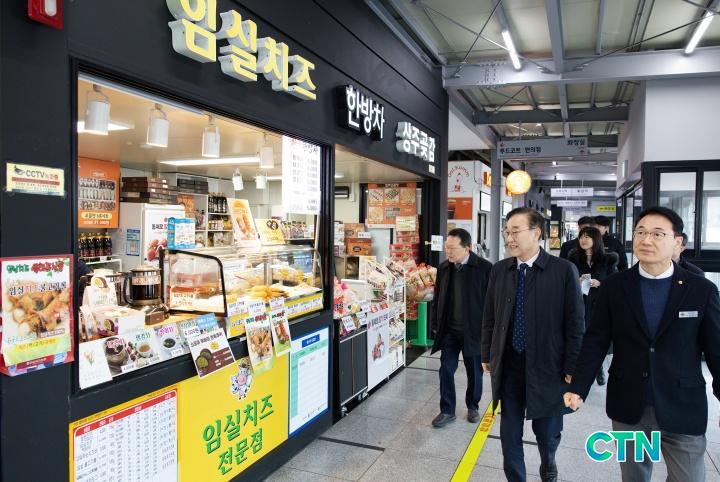
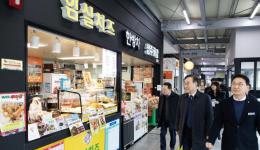
이번 간담회는 고속도로 이용자들을 상대로 최일선에서 서비스를 제공하는 휴게소 입점 매장의 경영 여건을 직접 살피고, 현장의 목소리를 청취하기 위해 마련됐다. 국토교통부 및 한국도로공사 관계자를 비롯해 휴게소에 입점한 6개 업체 대표들이 참석한 가운데, 휴게소 운영 구조 개선 필요성에 대한 심도 있는 의견 교환이 이루어졌다. 홍 차관은 이 자리에서 현재 고속도로 휴게소가 안고 있는 구조적 병폐를 정조준했다. 그는 평균 33%에 달하는 과도한 수수료율과 복잡한 다단계 계약 구조, 일부 업체의 장기 독점 운영 체제를 지적하는 한편, 한국도로공사 퇴직자 단체인 '도성회'의 휴게소 운영 특혜 논란과 최근 잇따라 적발된 불공정행위를 언급하며 고속도로 휴게소 전반에 대한 국민적 지탄을 무겁게 받아들여야 한다고 선언했다.
간담회에 참석한 입점업체 관계자들은 정부의 불공정행위 조사와 운영 구조 개선 의지에 깊은 공감을 표명했다. 업체 측은 과도한 수수료 부담 외에도 최근 지속되는 고물가 기조로 인해 인건비와 원자재 가격이 치솟으면서 경영상의 곤란이 가중되고 있다고 호소하며, 소상공인들이 안정적인 환경에서 양질의 서비스를 공급할 수 있도록 합리적인 제도적 보완책을 마련해 줄 것을 건의했다. 이에 홍 차관은 입점업체의 경영 안정성이 곧 휴게소 서비스의 질적 향상과 직결된다고 화답하며, 과도한 중간수수료 체계를 정비하고 납품대금 미지급 등 고질적인 불공정행위를 차단할 수 있는 대책을 조속히 수립하겠다고 답했다. 더불어 기상청의 이른 더위 전망에 맞춰 식중독 예방 등 위생 및 안전관리에도 만전을 기해달라고 당부했다.
정부 고위 인사가 민생 행보의 일환으로 고속도로 휴게소를 찾아 수십 년간 묵인되어 온 퇴직자 단체 특혜 논란과 다단계 수수료 구조를 공론화하고, 소상공인 보호를 위한 제도 개선 의지를 피력한 점은 민생 안정 측면에서 시의적절한 조치로 평가된다. 특히 독과점적 구조를 깨고 중간 마진을 낮춰 고물가 시대에 휴게소 이용객과 소상공인 모두에게 이익이 돌아가도록 하겠다는 정책 방향성은 공공 인프라의 공익성 회복이라는 차원에서 타당성을 지닌다.
그러나 이러한 전격적인 구조 개편 선언이 실질적인 요금 인하나 소상공인 부담 완화로 이어지기 위해서는 한국도로공사와 중간 운영업체 간의 기존 장기 계약 관계를 조율할 수 있는 정교한 법적·행정적 로드맵이 선행되어야 한다는 지적이 나온다. 계약 기간이 남아있는 민간 운영사들과의 수수료 인하 압박은 자칫 사유재산권 침해 논란이나 법적 분쟁으로 번질 소지가 크고, 도로공사 내부의 온정주의적 관행 역시 단발성 행정조사만으로는 쉽게 뿌리 뽑기 어렵기 때문이다. 국토교통부는 단순한 현장 점검과 구두 당부에 그칠 것이 아니라, 수수료율 상한제 도입이나 표준계약서 의무화 등 입법적 제도화를 병행해야 한다. 나아가 국토부의 관리·감독 권한을 강화해 중간 운영사의 부당행위를 실시간으로 감시할 수 있는 상설 신고제도를 안착시켜야만, 고속도로 휴게소를 국민과 소상공인 중심의 상생 공간으로 체질 개선할 수 있을 것이다.
[영문번역 기사-AI활용]
Hong Ji-seon, Second Vice Minister of Land, Infrastructure and Transport, stated, "Expressway rest areas must go beyond mere resting places to become comfortable shelters for users and a base for win-win cooperation for small business owners. In the future, rest area profits must be returned to promoting public convenience and mutual prosperity with tenant small businesses, rather than serving as the profits of a few operating companies, and to this end, the restructuring of the rest area operation framework must be driven forward with a sense of speed." The Ministry of Land, Infrastructure and Transport (MOLIT) announced that Vice Minister Hong visited the Yongin Rest Area (towards Gangneung) on the Yeongdong Expressway on the morning of June 9 to inspect the operational status of the facilities and held a meeting with tenant small business owners to seek effective measures for mutually beneficial development.The meeting was organized to directly examine the management conditions of tenant shops that provide services at the front lines to expressway users and to listen to their difficulties on the ground. Attended by officials from MOLIT and the Korea Expressway Corporation (KEC), along with representatives from six companies operating inside the rest area, the participants candidly exchanged views on the necessity of reforming the rest area operational structure. At the meeting, Vice Minister Hong directly targeted the structural maladies long embedded in expressway rest areas. Pointing out structural defects such as an excessive average commission rate of 33%, a complicated multi-tier contract structure, and the long-term monopoly of certain companies, he also mentioned the controversy surrounding the rest area operations by 'Doseonghoe' (an association of retired KEC employees) and recent crackdowns on unfair practices, stating that the sector must heavily accept public criticism.Tenant representatives at the meeting expressed deep consensus with the government's investigation into unfair practices and its stance on improving irrational operational frameworks. They appealed that in addition to excessive commission rates, their management burdens are intensifying due to recent soaring inflation, which drives up labor and raw material costs. They requested the government to devise reasonable measures so they can provide services under stable conditions. In response, Vice Minister Hong answered that the management stability and growth of tenant stores would lead directly to an upgrade in the quality of rest area services. He promised to promptly prepare measures to improve service quality by eliminating excessive middleman fees and preventing unfair practices such as non-payment of supply deliveries. Furthermore, he requested thorough hygiene and safety management, including food poisoning prevention, in light of the Meteorological Administration's forecast indicating that the early heat wave exceeding $30text{°C}$ would continue through June.The high-ranking government official's visit to an expressway rest area as part of public livelihood steps to publicize the structural multi-tier commission system and the long-tolerated privileges of a retiree association, while expressing a strong will to protect small businesses, is evaluated as a timely measure. In particular, the policy direction of breaking oligopolistic structures and lowering middleman margins so that both rest area users and small business owners can benefit in an era of high inflation carries validity in terms of restoring the public interest of public infrastructure.However, critics point out that for such a sudden restructuring declaration to lead to practical price cuts or burden relief for small businesses, a sophisticated legal and administrative roadmap capable of adjusting existing long-term contract relations between the KEC and middle operating companies must precede. Pressuring private operators with remaining contract periods to lower commissions could easily spark controversies over private property rights infringement or legal disputes, and the complacency within the KEC is hard to eradicate through one-off administrative investigations alone. MOLIT should not stop at mere site inspections and verbal requests; it must concurrently pursue legislative adjustments such as introducing commission rate caps or mandating standard contracts. Furthermore, only when the ministry strengthens its monitoring authority to establish a permanent reporting system that can survey unfair practices by middle operators in real time will it be able to change the constitution of expressway rest areas into win-win spaces centered on the public and small businesses.
 |
가요진 기자 gyj1119@naver.com
|