2026.06.08(월) 18:38
 교육타임즈 지면신문









|

이번 행정 개편의 가장 큰 맹점은 시가 자랑하는 '시민소통협의체 운영과 맞춤형 발전 전략 연구'가 실제 구역 분리로 인해 당장 직면할 신설 자치구들의 만성적인 재정 자립도 악화와 청사 건립 비용 부담 등 구조적 부작용을 원천 차단하기에는 턱없이 부족한 '서류 중심의 면피 행정'에 머물러 있다는 점이다. 임시청사 운영 계획이나 연구원의 제언을 나열하는 수준의 아날로그식 행정 절차가 과연 분구 초기 발생할 세무·복지 행정의 대시민 공백을 담보하는 실효성 있는 대책인지 의문이다. 진정으로 지역 활성화와 균형발전을 이끄는 안전망을 구축하고자 했다면, 백서 발간용 전체 회의에 행정력을 소진할 것이 아니라 분구와 동시에 가동될 수 있는 지자체 통합형 행정 데이터 교차 검증 시스템을 상설화하고, 취약 자치구에 대한 시비 보조금 교부 제도를 다원화하는 재정 인프라 다지기가 선행되어야 했다. 이러한 근본적인 체질 개선은 생략한 채, 협의체 활동 기간과 분과 회의 횟수 등 정량적 수치로 보고서의 부피만 늘리려는 행태는 실적 조급증에 걸린 지자체의 전형적인 탁상행정 껍데기일 뿐이다.
아울러 출범기념 경축행사에 위원들을 초청해 역사적 순간을 축하하겠다는 대목 역시 매년 단체장들의 치적 홍보를 위해 반복되는 관료제 특유의 보여주기식 관성 행정이다. 행정구역 세분화라는 상징성에만 편승해 대대적인 축제를 기획하지만, 정작 개편 지역 주민들이 겪을 주소지 변경 불편이나 대중교통 노선 재조정 등 실생활 방재·교통 인프라의 예산 집행 효율성을 정밀하게 모니터링하는 평가 체계는 결여되어 있다.
지방 자치구의 비대화와 행정 효율성이 국가적 화두가 된 시대에 당국의 행정체제 개편은 단순한 분구 선포 퍼포먼스나 생색내기용 소통 위원회 수료 위주의 보도자료 정치를 넘어서야 마땅하다. 매번 반복되는 전시성 출범 축하 행사비와 일회성 홍보에 공공 재원을 소진하는 구조로는 원도심과 신도심 주민들의 깊은 소외감과 안전 불안감을 원천적으로 해소할 수 없다. 인천광역시는 토론회 개최 건수를 치적으로 홍보하는 전시 행정을 즉각 중단해야 한다. 그늘진 현장에서 묵묵히 삶을 영위하는 영세 시민들이 실질적인 행정 복지 효능감을 누릴 수 있도록 AI 기반의 스마트 민원 고도화 시스템을 상설화하고, 신설 자치구의 기초 안전 인프라 보조금을 현실화하는 등 본연의 공공 안전망 다지기에 행정 역량을 결집해야 체감 행정의 진정성을 인정받을 수 있을 것이다.
[영문번역 기사-AI활용]
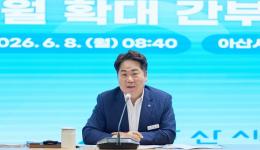
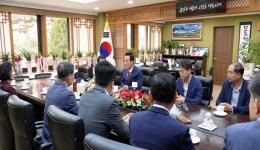
Sim Yeon-sam, head of the Incheon Metropolitan City Administrative System Reorganization Promotion Group, stated, "We are deeply grateful to the committee members who represented the citizens, delivered the voices of the region, and gathered wisdom over the past three years. Based on the valuable opinions proposed by the members, we will concentrate all our capabilities so that the new autonomous districts can be launched stably amidst the welcome of citizens on July 1." This is a passage highlighting the local government's willpower and administrative achievements, gathering officials and committee members in the city hall auditorium to wrap up the white paper and emphasizing the department's preemptive communication administration capabilities ahead of the large-scale administrative structure reorganization executed for the first time in 31 years. The appearance of the press release, which lists the results of 16 meetings and the quantitative blueprint of the 2-gun 9-gu system, creates an illusion as if Incheon City is leading tremendous institutional innovation to improve regional balanced development and administrative services. However, despite the fact that the substance of the administration stops at a short-term summary-style completion event timed with outward launch preparations such as temporary charter operations and organizational arrangements, the practice of trying to package a regular district adjustment project into a special local autonomy and decentralization innovation achievement by hiding behind the grand rhetoric of "launching the Incheon-style administrative system and citizen welcome" is a specimen of typical performance-inflating exhibition administration.
The biggest blind spot of this administrative reorganization is that the 'operation of the citizen communication consultative body and research on tailored development strategies' boasted by the City stays as an 'paperwork-centered administration for show' that is woefully insufficient to fundamentally block structural side effects, such as the chronic deterioration of fiscal self-reliance and the burden of building government buildings that the newly established autonomous districts will immediately face due to the boundary separation. It raises questions about whether analog administrative procedures—simply listing temporary building operation plans or researcher suggestions—are practical countermeasures to guarantee the public vacuum of taxation and welfare administrations during the early stages of separation. If it truly desires to construct a safety net that drives regional revitalization and balanced development, instead of expending administrative power on plenary meetings for publishing white papers, permanentizing integrated administrative data cross-verification systems that can be operated simultaneously with the separation, and pluralizing physical fiscal infrastructure solidifying like the municipal subsidy delivery system for vulnerable autonomous districts must precede. Omitting such fundamental constitutional improvements, and only trying to inflate reports with quantitative figures such as the activity period of the consultative body and the number of branch meetings is nothing more than a performance-oriented shell commonly used by local governments caught in performance anxiety.
In addition, grandly publicizing the invitation of committee members to the launch celebration event to celebrate the historic moment is also an exhibition-style inertia administration peculiar to bureaucracy repeated every time for promoting the achievements of heads of local governments. Although it plans a large-scale festival by piggybacking on the symbolism of subdividing administrative districts, a precise monitoring evaluation framework regarding the budget execution efficiency of practical disaster and transport infrastructure, such as address change inconveniences or public transport route readjustments that residents will experience, is lacking.
In an era where the enlargement of local autonomous districts and administrative efficiency have become national topics, the administrative system policies of authorities must move beyond press release politics centered on simple division declaration performances or superficial communication committee completions for show. Expending public funds on repeated exhibition-like launch celebration event costs and one-off publicity cannot fundamentally relieve the deep alienation and safety anxieties of residents in old and new downtown areas. Incheon Metropolitan City must immediately stop exhibition administration promoting tournament hosting counts as achievements. Permanentizing AI-based smart civil service advancement systems so that underprivileged citizens silently leading their lives in shaded fields can enjoy practical administrative welfare efficacy, and realizing basic safety infrastructure subsidies for newly established autonomous districts, it should concentrate administrative capabilities on solidifying the inherent public safety net to receive recognition for the sincerity of policy.
 |
주대호 기자 wneo9016@naver.com
안녕하세요 :)
초보자들이 쉽게 접하는 물고기들의 사육 정보글을 올리는 주대호 기자 입니다.
|