2026.06.15(월) 17:35
 교육타임즈 지면신문









|
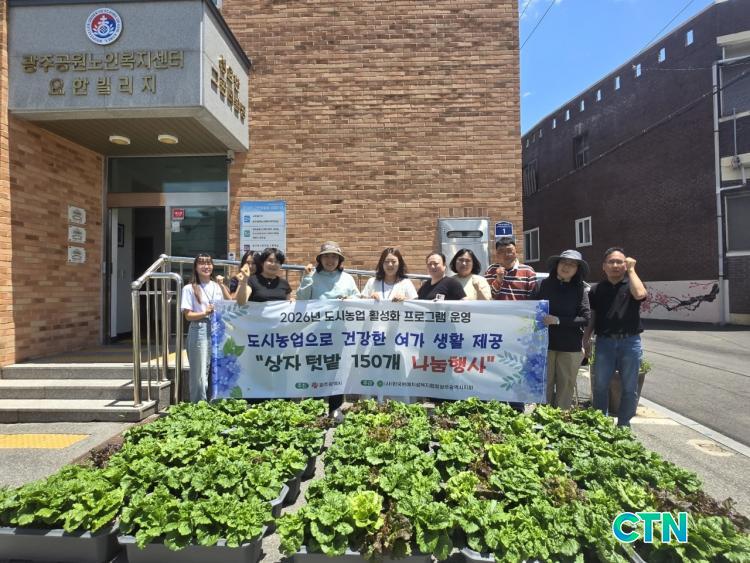
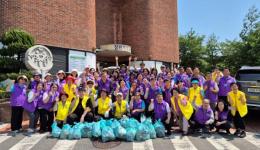
시는 최근 서구 유촌동 일대에 조성된 도시텃밭정원에서 기후농부들이 정성껏 재배한 상추 상자텃밭 150개를 5개 자치구 복지회관과 노인복지센터를 거쳐 장애인 및 독거노인 등 사회배려층 가구에 전달했다. 이번에 기부된 상자텃밭은 광주시가 도시농업 활성화 사업의 일환으로 추진 중인 '기후농부학교' 수강 시민들이 직접 일궈낸 성과물이다. 신체적 제약으로 대외 활동이 어렵거나 사회적 고립감, 외로움을 겪는 이웃들이 가정 내에서 식물을 직접 기르고 수확하는 과정을 통해 일상의 생기를 되찾고 심리적 위안을 얻을 수 있도록 돕고자 기획됐다.
실제 텃밭을 지원받은 현장의 독거 어르신들은 높은 만족감을 드러냈다. 서구 농성동의 정재선 할머니는 "싱싱한 상추를 집에서 바로 따먹을 수 있어 행복하고, 자라는 모습을 보는 재미가 쏠쏠하다"고 전했으며, 서구 노인종합복지관의 송순애 할머니 역시 "집안에 작은 초록 정원이 생긴 것 같아 바라보는 것만으로도 위로가 된다"며 사의를 표했다. 현재 광주시가 (사)한국원예치료복지협회 광주시지회와 손잡고 운영 중인 기후농부학교는 오는 12월까지 격주 토요일마다 개설된다. 시는 향후 기후 위기 대응 세미나와 함께 직접 수확한 작물을 지역 공동체와 나누는 '수확물 나눔 팜파티' 등을 지속 개최해 도시농업의 사회적 가치를 확산시킬 방침이다.
지자체가 단순한 일회성 생필품 지급 방식에서 벗어나, 시민들이 참여한 환경 교육 프로그램의 결과물을 소외계층의 정서 치유용 원예 치료 콘텐츠로 치환해 연계한 기획은 매우 영리하고 따뜻한 행정적 시도로 평가된다. 고령화와 1인 가구 증가로 고독사 등의 사회적 문제가 대두되는 시점에서 상자텃밭을 통해 취약계층의 주거 공간에 시각적 활력을 불어넣고 자생적 취미를 유도한 대목은 복지 전달 체계의 다변화 측면에서 의미가 있다.
다만, 이러한 상자텃밭 150개 배포라는 소규모 한시적 이벤트가 전시성 '원예 복지'에 그치지 않기 위해서는, 텃밭을 받은 취약계층 가구가 식물을 지속적으로 관리할 수 있도록 돕는 '후속 도우미 제도(사후 케어)'가 반드시 수반되어야 한다는 지적이 나온다. 거동이 불편한 독거노인이나 중증 장애인의 경우 상자텃밭의 흙을 갈아주거나 주기적인 물주기, 병충해 관리를 홀로 지속하기 어려워, 자칫 관리가 소홀해진 텃밭이 집안의 방치된 쓰레기로 전락할 위험이 크기 때문이다. 광주시는 상품을 나누어주는 1차원적 행정에 만족할 것이 아니라, 기후농부학교 수료생이나 지역 자원봉사자들을 '도시농업 마스터'로 지정해 수혜 가구를 정기적으로 방문하는 모니터링 체계를 구축해야 한다. 아울러 겨울철 영하권 날씨에도 재배 가능한 실내용 스마트 미니 텃밭 보급 등 인프라 고도화 중심의 사후 행정이 뒷받침되어야만, 탄소중립과 복지 공동체 회복이라는 두 가지 가치를 장기적으로 안착시킬 수 있을 것이다.
[영문번역 기사-AI활용]
Bae Gwi-sook, Head of the Agricultural and Animal Policy Division of Gwangju Metropolitan City, stated, "Urban agriculture is a venue for practicing carbon neutrality in response to the climate crisis, and a precious pathway to reconnect severed communication among neighbors and restore a sense of community. I hope that neighbors who received the box gardens will gain the joy of harvesting and warm comfort in their daily lives through the vitality of green plants." Gwangju Metropolitan City announced that it held a meaningful share event to spread environmental protection messages through urban agriculture and present healing time to vulnerable social classes standing in need of community help.
The city recently delivered 150 lettuce box gardens grown directly by 'Climate Farmers' at the Urban Kitchen Garden in Yuchon-dong, Seo-gu, to socially disadvantaged groups, including the disabled and senior citizens living alone, through welfare centers and senior welfare centers in five autonomous Gus. The box gardens shared this time are the fruits grown directly by citizens who participated in the 'Climate Farmer School,' which Gwangju City is driving as part of its project to vitalize urban agriculture. It was designed to help neighbors experiencing loneliness or mobility difficulties cultivate plants at home to gain daily vitality and psychological healing.
The responses of senior citizens who received the kitchen gardens were enthusiastic. Grandmother Jae-seon Jeong in Nongseong-dong, Seo-gu, shared her thoughts, saying, "I am happy to pick and eat fresh lettuce right at home, and watching it grow is highly entertaining." Grandmother Soon-ae Song of the Seo-gu Senior Welfare Center, who had difficulties in outdoor activities due to uncomfortable legs, expressed her gratitude, saying, "It feels like a small green garden has been created in the house, so just looking at it brings comfort." The 'Climate Farmer School,' which Gwangju City is operating in cooperation with the Gwangju Branch of the Korea Horticultural Therapy and Welfare Association, runs every other Saturday until December. Gwangju City plans to continuously hold events to promote the value of urban agriculture, including climate crisis response seminars and a 'Harvest Sharing Farm Party' to share directly grown crops with the local community.
The local government's attempt to break away from simple one-off daily necessity supply methods and link the results of environmental education programs participated in by citizens into horticultural therapy content for the emotional healing of vulnerable classes is evaluated as a highly clever and warm administrative attempt. At a time when social problems such as lonely deaths emerge due to aging populations and single-person households, blowing visual vitality into the residential spaces of vulnerable groups through box gardens and inducing spontaneous hobbies carries meaning in diversifying welfare delivery frameworks.
However, critics point out that for this small-scale temporary event of distributing 150 box gardens to avoid ending up as exhibition-oriented 'horticultural welfare,' a 'follow-up helper system (post-care)' that helps vulnerable households continuously manage their gardens must be accompanied. In the case of senior citizens living alone or severely disabled persons with limited mobility, it is difficult to change the soil of the box gardens, water them regularly, or manage pests alone, meaning that poorly managed gardens risk turning into neglected trash inside the house. Gwangju City should not be satisfied with the one-dimensional administration of distributing goods; it must establish a monitoring framework that designates graduates of the Climate Farmer School or local volunteers as 'Urban Agriculture Masters' to visit beneficiary households regularly. Furthermore, only when post-administration focused on infrastructure advancement—such as distributing smart mini-gardens for indoor cultivation capable of surviving sub-zero winter temperatures—is supported will it be able to settle the two values of carbon neutrality and welfare community restoration for the long term.
 |
최영준 기자 gildongmoo2@hanmail.net
굴곡 없는 참시선으로
|