2026.06.12(금) 10:35
 교육타임즈 지면신문









|
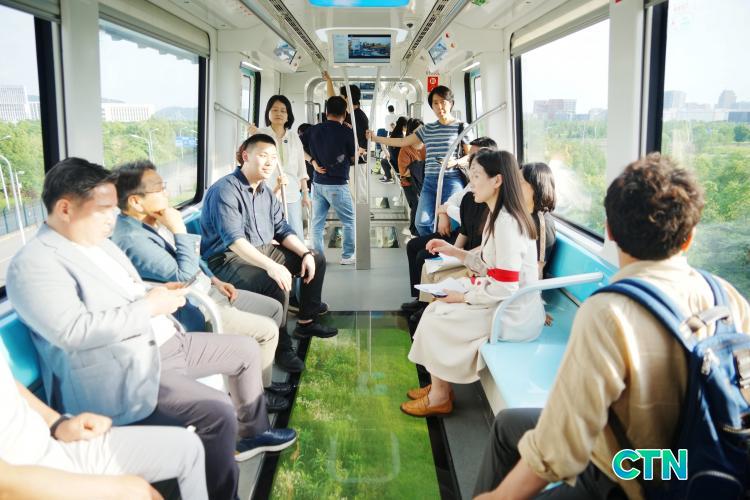
강 시장 등 광주시 대표단은 지난 10일부터 11일까지 이틀간 중국 우한 내 핵심 미래 산업 거점 4곳을 연이어 시찰했다. 대표단이 방문한 '국가 지능형 커넥티드카(ICV) 시험 실증단지'는 자율주행 개방도로만 3,380㎞에 달하고 무인 로보택시 500여 대가 24시간 상업 운행하는 세계 최대 규모의 무인 자율주행 구역이다. 광주시는 이곳에서 돌발 상황 발생 시 밀리초(ms) 단위로 차량을 제어하는 원격 제어 기술과 5G 기반 차량-사물 통신(V2X) 생태계를 집중적으로 살펴봤다. 이어 대표단은 물류 자동화율이 94%를 넘는 샤오미 스마트 공장, AI와 5G 통신망으로 완전 자동 제어되는 '광곡 무인 공중열차', 그리고 연간 100만 건 이상의 동작 데이터를 학습시키는 7,000㎡ 규모의 '우한 휴머노이드 로봇센터'를 차례로 돌며 광주 주력 제조업의 인공지능 전환(AX) 방향성을 모색했다. 시는 이번 벤치마킹을 통해 2028년까지 국비 610억 원을 투입해 추진 중인 '자율주행 실증도시 조성사업'의 실행력을 끌어올린다는 방침이다.
지방정부 수장이 직접 글로벌 최고 수준의 자율주행 및 로봇 산업 현장을 찾아 기술 트렌드를 확인하고, 도시 전체를 하나의 거대한 지능형 학습망으로 활용하겠다는 광주형 레벨4 자율주행 실증 사업의 외연을 넓힌 것은 미래 모빌리티 시장 선점을 위해 필수적인 정무적 행보로 평가받는다. 특히 단순한 부품 제조를 넘어 실증에서 상용화까지 이어지는 거대한 산업 생태계 흐름을 국내 행정에 접목하려는 시도는 고무적이다.
그러나 이미 500여 대의 무인 로보택시가 시민들의 출퇴근길을 24시간 책임지는 우한의 압도적인 인프라와 비교할 때, 광주시가 내놓은 '2026년 하반기 200대 실증 계획'이나 '도시 전역 시범운행지구 지정' 등의 선언은 초라한 격차를 드러내는 지표일 뿐이라는 현장의 냉소적인 지적이 나온다. 19년 동안 우호도시라는 이름으로 수차례 교류를 반복했음에도 정작 국내 규제의 벽에 막혀 실제 상업 운행이나 파격적인 기업 밀착형 통신망 제공 등 실질적인 인프라 구축은 걸음마 단계에 머물러 있기 때문이다. 단순히 중국 선진지 견학을 통해 화려한 미래 도시의 모습을 단발성으로 벤치마킹하는 전시성 외교에 안주할 것이 아니라, 국회 및 국토교통부와의 규제개혁 협의를 서둘러 실제 도로 위에서 대기업과 스타트업이 제약 없이 완전자율주행 기술을 검증할 수 있는 '법적·제도적 프리존'을 광주 전역에 실효성 있게 개척하는 것이 이번 방중 성과를 진정한 미래차 선도도시의 동력으로 치환하는 핵심 과제다.
[영문번역 기사-AI활용]
Kang Gi-jung, Mayor of Gwangju Metropolitan City, stated, "We will learn the achievements and system management know-how of Wuhan, a world-leading autonomous driving city, to build the safest yet most innovative urban autonomous driving model. By successfully completing the nation's first city-wide demonstration, large-scale simultaneous operation, and End-to-End (E2E) completely autonomous driving technology verification, we will transform Gwangju into a leading future car city that draws global attention." Gwangju City announced that it has embarked on high-level administrative consultations to expand its cooperative relationship—which had remained at a cultural and human exchange level for 19 years since signing the friendly cooperation city agreement in 2007—into advanced future industrial sectors such as autonomous driving, AI, and robotics by visiting Wuhan, Hubei Province, China.
Mayor Kang and the Gwangju delegation inspected four core future industrial strongholds in Wuhan sequentially from October 10 to 11. The 'National Intelligent Connected Vehicle (ICV) Testing and Demonstration Zone' visited by the delegation is the world's largest unmanned autonomous driving zone, boasting 3,380 kilometers of open roads where around 500 unmanned robotaxis operate 24 hours a day for commercial commuting. Gwangju City intensively looked into the millisecond-unit remote control technology for unexpected situations and the 5G-based Vehicle-to-Everything (V2X) ecosystem. Next, the delegation toured the Xiaomi Smart Factory, which features a logistics automation rate exceeding 94%, the 'Guanggu Unmanned Aerial Train' fully controlled by AI and 5G networks, and the 7,000-square-meter 'Wuhan Humanoid Robot Center' that refines over 1 million motion data points annually, seeking directions for the Artificial Intelligence Transformation (AX) of Gwangju's main manufacturing industries. The city plans to boost the execution of its 'Autonomous Driving Demonstration City Project,' which invests 61 billion won of national budget until 2028, through this benchmarking tour.
The local government head directly visiting global top-tier autonomous driving and robotics fields to check technological trends and expanding the exterior of the Gwangju-style Level 4 autonomous driving project—which aims to utilize the entire city as a massive intelligent learning network—is evaluated as an essential political move to preoccupy the future mobility market. In particular, the attempt to graft the grand industrial ecosystem flow ranging from demonstrations to commercialization into domestic administration is encouraging.
However, compared to Wuhan's overwhelming infrastructure where 500 unmanned robotaxis already handle citizens' daily commutes 24 hours a day, critics point out that Gwangju's 'plan for 200 demonstrated vehicles by the second half of 2026' or its 'city-wide pilot zone designation' merely reveal a humble gap. Despite repeating exchanges under the name of sister cities for 19 years, substantial infrastructure establishments, such as actual commercial operations or providing corporate-friendly dedicated networks, remain in their infancy due to domestic regulatory barriers. Rather than settling for display-oriented diplomacy that merely benchmarks a flashy future city through a one-off overseas tour, the city must accelerate regulatory reform consultations with the National Assembly and the Ministry of Land, Infrastructure and Transport. Carving out a practical 'legal and institutional free zone' across Gwangju, where conglomerates and startups can verify completely autonomous driving technologies on actual roads without constraints, is the essential task to convert this visit into a genuine engine for a leading future car city.
 |
최영준 기자 gildongmoo2@hanmail.net
굴곡 없는 참시선으로
|