2026.06.12(금) 10:35
 교육타임즈 지면신문









|
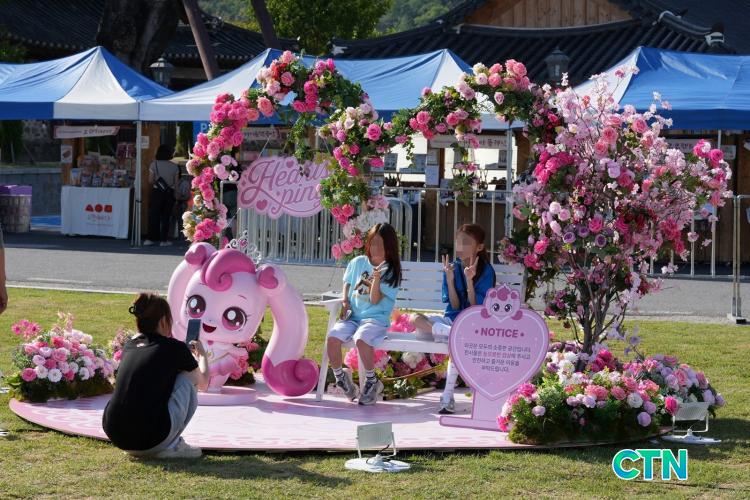
지난 5월 15일 나주 원도심 동헌터 일원에서 첫선을 보인 이번 행사는 국내외 영유아 및 어린이들에게 선풍적인 인기를 끌고 있는 국산 애니메이션 캐릭터 IP(지식재산권)를 지역 관광 자원과 결합한 시도다. 개막 초기부터 주말과 공휴일을 중심으로 유동 인구가 급감하던 원도심 거리에 유모차를 동반한 가족 단위 방문객들의 발길이 지속적으로 이어졌다. 나주시는 관람 중심의 기존 축제 형태에서 벗어나기 위해 지난 5월 26일부터 체험존 구성을 전면 개편했다. 아이들의 신체 활동과 흥미를 자극하는 양궁체험, 라이더 체험, 두더지게임, 낚시놀이 등 놀이형 콘텐츠를 강화해 실질적인 체류 시간을 늘리는 데 집중했다. 시는 잔여 운영 기간 동안 아직 행사장을 찾지 못한 지역 주민들과 외지 관광객들을 대상으로 막바지 홍보 마케팅을 전개해 유종의 미를 거두겠다는 구상이다.
지자체가 외부 인구를 원도심으로 유인하기 위해 대중 인지도가 높은 타사 캐릭터 브랜드를 영리하게 차용하고, 이를 통해 주말 도심 공동화 현상을 일정 부분 완화한 점은 고무적인 성과로 꼽힌다. 특히 단순한 지역 특산물 판매나 관람 위주의 행정 주도형 행사에서 벗어나 수혜자인 어린이들의 눈높이에 맞춘 체험형 인프라를 구축함으로써, 젊은 부모 세대의 자발적인 방문과 소셜미디어(SNS)를 통한 자연스러운 도시 홍보 효과를 이끌어냈다는 점에서 긍정적인 평가를 받고 있다.
그러나 약 한 달이라는 짧은 단발성 이벤트 기간이 지나고 나면 다시 원도심이 급격한 공동화 현상에 직면할 수 있다는 점에서, 이러한 '캐릭터 대여성 마케팅'의 한계와 실효성에 대한 지적도 만만치 않다. 막대한 예산을 투입해 대형 캐릭터 라이선스를 일시적으로 대여하는 방식은 행사가 종료되는 순간 관광객 유입 동력이 차단되기 때문이다. 지역 상권이 지속적인 낙수효과를 누리기 위해서는 임시 행사장을 운영하는 데 그치지 않고, 나주의 역사 문화 자산과 어린이 체험 콘텐츠를 상시 결합한 '독자적·상설 복합문화 공간'의 구축이 필수적이다. 향후 나주시가 단기적인 집객 실적에 안주하지 않고 예산의 투자 효율성을 극대화할 수 있는 영속성 있는 관광 인프라 확충에 행정력을 집중해야만 '나주방문의 해' 이후에도 지속 가능한 관광 도시로 자리매김할 수 있을 것이다.
[영문번역 기사-AI활용]
Yoon Byung-tae, Mayor of Naju, stated, "The Teenieping Garden is a family-oriented tourism content designed to present children with joyful experiences and families with precious memories together. I hope many citizens and tourists will visit the old downtown before the end of its operation to spend a special time and experience another charm of Naju." Naju City announced on June 11 that the 'Catch! Teenieping Garden,' which was designed to breathe new life into the stagnant old downtown and attract family tourists in celebration of the '2026 Visit Naju Year,' will officially wrap up its month-long operation on June 14.
The event, which debuted on May 15 around the Dongheonteo area in Naju's old downtown, is an attempt to combine domestic tourism resources with a popular Korean animation character IP (Intellectual Property) that enjoys sensational popularity among infants and children. From the beginning of the opening, families with strollers continuously visited the old downtown streets where floating population had been rapidly decreasing, particularly on weekends and holidays. To break away from the conventional administrative festivals focused on passive viewing, Naju City completely revamped the configuration of the experience zone starting May 26. By strengthening play-oriented contents such as archery experiences, rider experiences, mole games, and fishing games that stimulate children's physical activities and interests, the city focused on extending the actual dwell time of visitors. The city plans to carry out final promotional marketing targeting local residents and outside tourists who have not yet visited the venue to bring the project to a successful conclusion.
The local government's clever borrowing of a high-awareness character brand to attract external population to the old downtown and its subsequent mitigation of the weekend urban hollowing phenomenon is considered a encouraging achievement. In particular, it is evaluated positively because it deviated from administrative-led events centered on regional specialty sales or simple viewings, and instead built an experiential infrastructure tailored to the eyes of children, thereby deriving voluntary visits from young parents and natural city promotion effects through social media (SNS).
However, given that the old downtown could face a sharp hollowing phenomenon again once the short, one-time event period of about a month passes, criticisms regarding the limits and effectiveness of this 'temporary character-rental marketing' remain substantial. The method of temporarily leasing large-scale character licenses by investing huge budgets loses its drive to attract tourists the moment the event ends. For the local commercial district to enjoy a continuous trickle-down effect, building a 'permanent, independent complex cultural space' that constantly combines Naju's historical and cultural assets with children's experiential contents is essential, rather than stopping at operating temporary venues. Rather than settling for short-term crowd-gathering records, Naju must focus its administrative power on expanding permanent tourism infrastructures that can maximize the investment efficiency of the budget, so that it can establish itself as a sustainable tourism city even after the 'Visit Naju Year.'
 |
하성매 기자 jyh7583@naver.com
하성매 기자 입니다.
|