2026.06.11(목) 09:18
 교육타임즈 지면신문








|
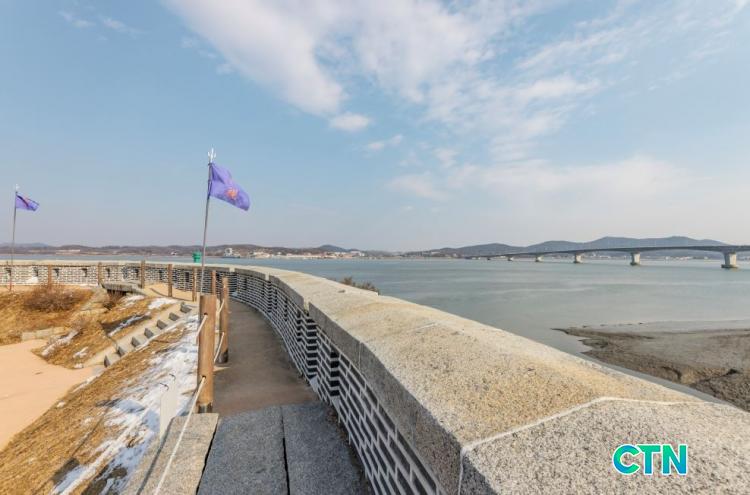
이번 규제 완화 조치로 북위 37°30′ 이북에 위치한 강화해역 전역(약 640.7㎢)의 조업 환경이 전면 재편된다. 기존 일출부터 일몰까지만 허용되던 조업시간이 일출 전 30분, 일몰 후 30분씩 확대되면서 하루 총 1시간의 여유가 전면 보장된다. 특히 어획량이 집중되는 만도리 B어장, 새터어장, 선수어장 등 강화남단 7개 어장 지선 이남 해역의 경우, 봄·가을 성어기(4~6월, 9~11월)에 한해 일출 전 1시간부터 일몰 후 1시간까지 조업 시간이 늘어나 하루 총 2시간의 황금 조업 여건을 추가로 확보하게 됐다. 시는 이번 조치로 어업인들의 조업 기회가 넓어지면서 연간 약 50억 원 규모의 직접적인 지역경제 유발 효과가 나타날 것으로 내다보고 있다. 관련 행정 절차인 해수부의 고시 개정이 마무리지어지는 대로 오는 7월부터 본격적인 시범 조업 체제에 돌입할 예정이다.
냉전 시대의 산물인 규제 사슬을 과감히 끊어내고 서해 최북단 접경지 어민들에게 실질적인 바닷길을 열어준 이번 행정 행보는 민생 경제 회복과 현장 중심의 규제 혁신이라는 측면에서 시의적절한 돌파구로 읽힌다. 특히 여의도 면적의 221배에 달하는 거대한 영해를 대상으로 국방부와 해경 등 보수적인 안보 기관들을 끈질기게 설득해 내고, 성어기 맞춤형 시차 연장이라는 실용적인 타협안을 도출해 낸 대목은 획일적 행정의 한계를 탈피한 고무적인 결과물이다.
다만 이번 조업 연장 조치가 어민들의 실질적인 소득 증대로 안착하기에는 대북 관계 경색에 따른 안보 리스크와 현장 관리의 과부하라는 지극히 현실적인 숙제를 안고 있다. 최근 서해 5도 및 접경해역을 둘러싼 군사적 긴장감이 최고조에 달한 상황에서 조업 시간이 새벽과 밤으로 늘어날 경우, 해상 안개나 악천후 시 어선의 월선 및 안전사고 발생 확률이 기하급수적으로 높아지기 때문이다. 만에 하나 단 한 건의 월선이나 군사적 충돌 사고라도 발생한다면 이번 규제 완화는 즉시 전면 백지화될 수밖에 없는 취약한 기반 위에 서 있다.
단순히 조업 영역과 시간만 넓혀놓고 현장 감시는 해경과 행정선에 떠넘기는 소극적 사후 관리에 머물러서는 안 되는 이유가 여기에 있다. 인천시는 오는 7월 시범 운영 전까지 어선들의 실시간 위치를 자동으로 추적하는 AI 기반 차세대 VTS(해상교통관제) 연동 시스템을 강화해역 전체에 촘촘히 전개해야 한다. 아울러 해상 긴급 상황 발생 시 군·경이 즉각 공동 대응할 수 있는 원스톱 핫라인 인프라를 상설화하고, 어민들을 대상으로 한 야간 항행 안전 교육 조례를 제도화하는 등 규제 해제에 걸맞은 스마트 안전 통제망을 선제적으로 구축하는 일이야말로 경제 효과 50억 원의 수치를 진짜 현실로 만드는 풀어야 할 난제다.
[영문번역 기사-AI활용]
Kim Ik-jung, Director of the Agriculture, Forestry, Fisheries and Food Bureau of Incheon Metropolitan City, stated, "This extension of fishing hours is the fruit of regulatory reform that has long been a cherished wish of the fishermen in the Ganghwa sea area. We will continue to actively reflect the voices of the field to consistently pursue institutional improvements that help increase fishermen's income and vitalize the local economy." Incheon City announced that it is pushing forward an unprecedented deregulation measure to extend fishing hours by up to two hours by lifting the nighttime fishing (navigation) restrictions in the Ganghwa sea area, which have been tightly maintained for 44 years since 1982 due to national security and crossing-line prevention reasons. Following the preemptive lifting of nighttime fishing restrictions in the West Sea coastal waters in January this year, this achievement was accomplished after a series of consultations with relevant agencies including the Ministry of Oceans and Fisheries, the Ministry of National Defense, and the Korea Coast Guard, responding to the persistent field demands of Ganghwa fishermen who had previously been excluded due to security reasons and suffered relative deprivation.
With this regulatory relaxation measure, the fishing environment across the entire Ganghwa sea area (approx. 640.7㎢) located north of 37°30′ North Latitude will be entirely reorganized. The fishing hours, which were previously permitted only from sunrise to sunset, will be expanded by 30 minutes before sunrise and 30 minutes after sunset, fully securing a total of one hour of extra time daily. In particular, in the waters south of the seven major fishing grounds in southern Ganghwa, including Mandori B, Saeteo, and Seon-su fishing grounds where catches are heavily concentrated, the fishing hours will be extended from one hour before sunrise to one hour after sunset specifically during the spring and autumn peak seasons (April–June, September–November), securing an additional two golden hours of fishing daily. The city anticipates that this measure will generate a direct local economic ripple effect worth approximately 5 billion won annually as fishing opportunities expand. As soon as the amendment to the Ministry of Oceans and Fisheries' notification is finalized, pilot fishing operations are scheduled to commence in earnest starting this July.
The administrative move to boldly sever the chains of Cold War-era regulations and open substantial sea routes for fishermen in the northernmost border area of the West Sea is interpreted as a timely breakthrough in terms of reviving the civil economy and implementing field-centered regulatory innovation. In particular, successfully persuading conservative security agencies like the Ministry of National Defense and the Coast Guard across a vast territorial sea equivalent to 221 times the size of Yeouido, and deriving a practical compromise of peak-season-tailored time extensions, represents an encouraging result that breaks free from the limitations of rigid administration.
However, for this fishing extension measure to successfully settle as a substantial income boost for fishermen, it bears the highly realistic task of managing security risks amid strained inter-Korean relations and dealing with an operational overload in field management. If fishing hours extend into the early morning and late night while military tensions around the Northern Limit Line (NLL) and border waters remain at their peak, the probability of fishing vessels crossing the border line or suffering safety accidents during sea fog or inclement weather will inevitably rise exponentially. This policy stands on a vulnerable foundation where a single border-crossing or military clash could immediately roll back the entire deregulation.
This is precisely why authorities must not stay confined to passive post-management that simply widens the fishing zone and hours while shifting the burden of field surveillance entirely onto the Coast Guard and administrative vessels. Before the pilot operations begin this July, Incheon City must densely deploy an AI-based next-generation VTS (Vessel Traffic Service) linked tracking system across the Ganghwa waters to monitor fishing vessels' locations in real-time. Furthermore, establishing a permanent one-stop hotline infrastructure for immediate joint responses between the military and the police during maritime emergencies, and institutionalizing ordinances for nighttime navigation safety education for fishermen, are the critical tasks that must be resolved to turn the projected 5 billion won economic effect into a safe reality.
 |
주대호 기자 wneo9016@naver.com
안녕하세요 :)
초보자들이 쉽게 접하는 물고기들의 사육 정보글을 올리는 주대호 기자 입니다.
|